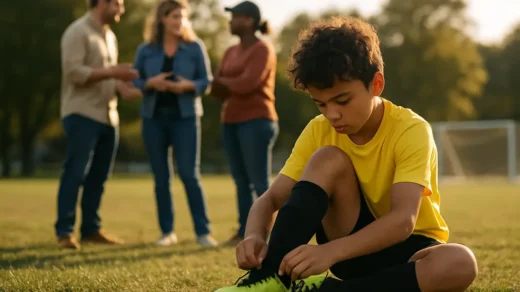
MLS GO Salinas began on September 23, 2026, at Salinas Regional Soccer Complex as the venue’s first in-house MLS GO recreational youth soccer league for ages 7–14, with an eight-week schedule set to run through November 11, 2026 SRSC league announcement. As of October 29, 2026, the season had already started and was still scheduled to finish on November 11. That timing matters for families because the league is not just a sign-up option; it is a local player development structure with weekly rhythm, community coaches, and a clear connection between recreational soccer and the wider sport.
As Max Donovan, I look at a program like this through the lens of player growth first. Young players need touches on the ball, coaching language they can understand, and enough match play to learn from real decisions. They also need a setting where parents can support the process without taking on heavy travel every weekend. An in-house league at SRSC gives Salinas families a more local way to build those habits.
Why MLS GO Salinas Fits Youth Development
MLS GO Salinas Training Rhythm
The weekly format is one of the strongest parts of the league. Each team receives one training session and one league game per week, according to SRSC’s announcement. That mix gives players a chance to learn a skill, try it under pressure, then return the next week with feedback. For ages 7–14, that cycle is often more useful than random play with no connection between practice and match day.
For many players, MLS GO Salinas can also serve as a bridge between casual play and more structured team soccer. A seven-year-old may be learning how to spread out, stop chasing the ball in groups, and pass with purpose. A fourteen-year-old may be working on quicker decisions, body shape, and playing a role within a team. The same league can support both ends of that age range when coaches use age-specific training materials and practice plans.
Ages 7–14 And All Experience Levels
The age range is useful because it reaches players during a key window. Children in this span are building coordination, confidence, and team habits. Some will be new to organized soccer. Others may already love the sport but need a lower-pressure place to keep growing. SRSC has described the program as open to players of all experience levels, which is a good sign for families who may feel unsure about whether their child is ready for a league setting.
Recreational soccer should still be serious about teaching. That does not mean pushing young players too fast. It means giving them clear rules, positive coaching, and enough repetition to improve. A local league with the same field base each week can help players feel comfortable, which often leads to better learning.
How The In-House League Supports Families
Costs, Uniforms, And Scholarships
SRSC listed registration at US$180 for individual players, with placement provided, and US$160 per player for full-team registration. The league also includes a full MLS GO uniform kit with jersey, shorts, and socks. Those details matter because families can better plan around the full cost of participation rather than facing separate uniform purchases after registration.
The scholarship piece is just as meaningful. MLS describes MLS GO as a recreational youth soccer program tied to access and affordability, with financial assistance connected to the MLS GO PLAY FUND official MLS GO FAQ. In communities where sports fees can limit participation, financial support helps keep the player pool open. A strong recreational base is not only good for individual children; it gives local coaches more players to teach and gives clubs more chances to find late-developing athletes.
Volunteer Coaches And MLS Resources
SRSC’s league uses volunteer community coaches, with support from Simon DaWkins, the Director of Soccer Programs and Development at SRSC. The program also includes structured MLS resources such as age-specific training materials, practice plans, videos, and exercises. That combination can help volunteer coaches feel more prepared while keeping the community nature of the league intact.
Parents should value that support structure. A volunteer coach who receives a plan is more likely to run a focused session. Players benefit when the practice has a theme, whether that theme is dribbling into space, passing angles, defending as a group, or finishing with balance. Clear practice plans also make it easier for coaches to keep the environment safe, active, and encouraging.
- For players: weekly training and games create steady repetition.
- For parents: local scheduling can reduce travel pressure and make planning easier.
- For coaches: MLS materials give structure to volunteer-led sessions.
- For the community: more children can take part in organized soccer at SRSC.
Community Value At Salinas Regional Soccer Complex
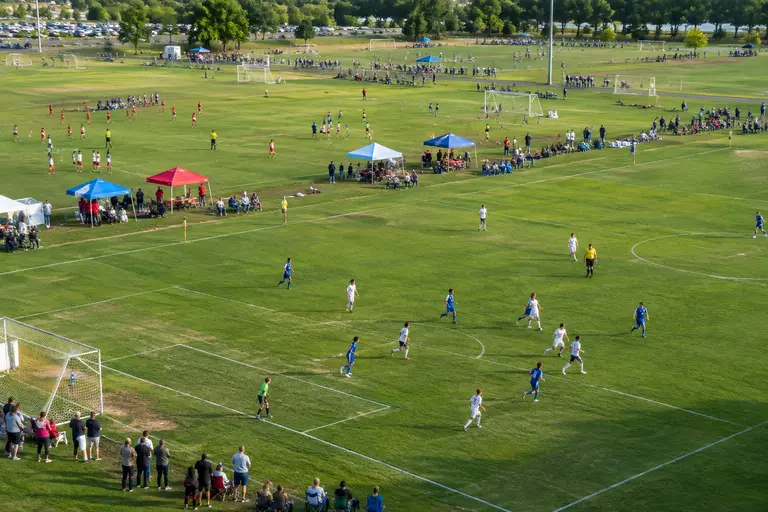
Local Identity Without Heavy Travel
One benefit of an in-house league is that it keeps young players rooted in their own soccer community. Travel tournaments can be valuable, especially as players get older and ready for tougher matchups, but younger athletes often need a home base first. They need to learn how to arrive prepared, listen to a coach, warm up, compete, cool down, and return the next week with a better understanding of the game.
That routine also supports family connection. Parents see the same fields, meet the same coaches, and get to know other families. Local businesses benefit from regular activity around youth sports, whether through meals, errands, or family gatherings tied to match days. The soccer field becomes more than a field; it becomes a meeting point for the community.
Connections To The Pro Game
SRSC’s announcement also listed a league perk: each registered player received a complimentary ticket to an October San Jose Earthquakes match and had the chance to participate in a pregame on-field parade. Since the exact match date was not included in the research notes, the safest way to read that as of October 29, 2026, is as a listed program experience rather than a future event invitation.
Those professional connections can be powerful for young athletes when handled in the right way. A child who plays locally, then sees the professional level up close, can better connect daily effort with the wider sport. The message should not be that every child must become a professional player. The better message is that soccer has levels, roles, and communities, and every player can learn from being near the game.
For families comparing local options, the related local player pathway discussion also points to why SRSC’s in-house model has become a useful talking point for youth soccer access in Salinas.
What MLS GO Salinas Means For Local Players
Questions Parents Can Ask During The Season
Parents do not need to judge the league only by wins and scores. Better questions are simple: Is my child getting touches on the ball? Does the coach explain the practice goal? Is my child learning to compete with respect? Does the schedule help our family stay consistent? If the answers are yes, then the league is doing meaningful work.
The in-house model also gives coaches a clearer view of player progress. Instead of seeing children only at scattered events, coaches can watch how they respond week by week. That helps with grouping, encouragement, and feedback. It also helps players learn that improvement is built through steady effort, not one big match.
If MLS GO Salinas keeps its focus on access, teaching, and community support, it can give Salinas players a stronger first step in the sport. The value is not only in the uniform or the schedule. It is in the chance for children ages 7–14 to train, play, learn from volunteers, connect with the pro game, and feel that soccer in Salinas belongs to them.