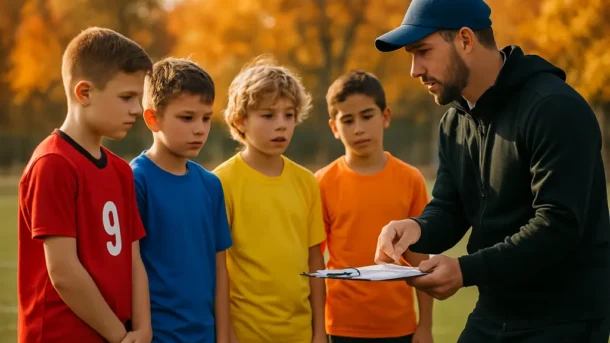
The Peninsula Fall Invitational is a key San Mateo youth soccer event taking place from October 16 through October 18, 2026. Because today is October 17, 2026, the tournament has already started and is moving through its three-day Friday-to-Sunday window. For local young athletes, that timing matters: teams are balancing match preparation, recovery, school-week fatigue, and family travel while staying focused on development. The event is listed for San Mateo, California, with matches across the College of San Mateo Soccer Complex and Beresford Park Fields, according to the tournament listing.
For coaches and families, the value of a fall tournament is not only the match schedule. It is the chance for players to test decision-making under pressure, learn from different opponents, and build confidence in a setting that asks for focus over multiple days. The available research does not list final brackets, team counts, scores, or exact age groups for this event, so those details should be confirmed through team communications and the tournament organizer. What is clear is that San Mateo is hosting a meaningful weekend of youth soccer with two local venues supporting the competition.
Peninsula Fall Invitational Schedule And Venues
The current event window runs from October 16 through October 18, 2026. That three-day format creates a different challenge than a single matchday. Players may need to perform on back-to-back days, manage warmups carefully, eat at the right times, and recover between matches. Coaches can help by setting simple expectations: arrive prepared, respect the schedule, communicate field changes quickly, and keep post-match talks focused on learning points rather than only the result.
What The Peninsula Fall Invitational Dates Mean
For the Peninsula Fall Invitational, the Friday-through-Sunday setup can affect every part of a team’s routine. Friday matches may come after school or travel. Saturday can bring the heaviest load for some teams. Sunday may include placement games or later-round matches, depending on the tournament format. Since the specific bracket structure was not included in the provided research, families should avoid guessing and should rely on official team updates for kickoff times and match locations.
From a player development view, a multi-day event rewards teams that stay steady. A strong first match helps, but so does the ability to reset after a tough half, rotate players responsibly, and support teammates who are learning new roles. Younger athletes benefit when adults keep the message clear: compete hard, listen well, and use each match as a chance to grow.
San Mateo Venue Planning
Matches are listed for two San Mateo sites: the College of San Mateo Soccer Complex and Beresford Park Fields. The research notes that the venues are within close proximity, which can help reduce time spent moving between fields. Even so, families should still build in margin for parking, warmups, restroom stops, and any field-specific instructions. A short drive can become stressful if a prior match runs late or if several teams arrive at once.
Field surface details were not confirmed in the provided research. That means families should be ready for basic variations: the right footwear, layers for changing conditions, water, snacks, and a plan for where players can rest away from the sideline noise. Coaches can assign one parent volunteer to track field updates so the whole team is not relying on scattered text messages.
Player Development During A Fall Tournament
Fall tournaments can be useful checkpoints for young athletes because they place training habits into live competition. Passing choices, spacing, defensive recovery, communication, and set-piece organization become easier to assess when teams face unfamiliar opponents. The Peninsula Fall Invitational gives coaches a chance to see which lessons are sticking and which areas need more attention after the weekend.
What Coaches Can Watch
Coaches may want to keep evaluations simple. Instead of tracking too many items, choose a few themes that match the team’s recent training. For example, a younger team might focus on first touch and support angles. An older group might track pressing cues, transition defense, or how quickly players scan before receiving. The goal is not to overload players with information, but to connect tournament minutes back to training habits.
Roster depth also matters over three days. If match loads are uneven, coaches should explain the plan early and keep communication respectful. Players can handle hard feedback when they understand the purpose. Families can help by supporting the team plan and avoiding sideline instructions that conflict with coaching points.
How Families Can Support Recovery
Parents and guardians are a major part of a healthy tournament weekend. Young athletes need food, hydration, sleep, and calm support between matches. A simple recovery plan can protect energy and mood. The best plan is usually not complicated: bring water, pack familiar snacks, keep players out of unnecessary sun or cold, and leave time for quiet rest. For families traveling from outside San Mateo, our related notes on youth tournament travel can help with practical planning around lodging, carpools, and recovery time.
- Before each match: confirm field location, kickoff time, uniform color, and arrival window through team channels.
- Between matches: prioritize food, hydration, shade or layers, and low-stress downtime.
- After the final match of the day: give players time to decompress before discussing performance in detail.
- For Sunday matches: check updated schedules before leaving lodging or home, since tournament timing can shift.
Community Impact In San Mateo

Youth soccer tournaments create community activity beyond the field. Families move between parks, restaurants, team meeting spots, and lodging. Local businesses may see more youth sports traffic during a weekend like October 16 through October 18, 2026, especially with multiple fall soccer events happening in Northern California during the same dates. The research identifies this event as part of the regional California youth soccer tournament circuit, which places San Mateo within a busy fall period for clubs and families.
Why Local Support Matters
Community support is more than cheering from the sideline. It includes patient drivers, organized team managers, respectful spectators, available fields, and local businesses that welcome families during long breaks. When those pieces work together, the experience becomes better for athletes and less stressful for volunteers. For young players, that support sends a clear message: their effort matters to the community.
Local soccer identity grows through repeated shared weekends like this. Players remember the teams they faced, the fields where they competed, and the adults who helped them feel prepared. Coaches build connections with other clubs. Families learn how to manage tournament demands together. Those relationships can strengthen the youth soccer pipeline across the Peninsula and surrounding Northern California communities.
Competition Context Without Guesswork
The provided research notes that this type of event often includes different age groups and competitive levels, but it does not confirm the exact divisions for San Mateo. For context only, Palo Alto Soccer Club’s Tall Trees Fall event lists U8 through U19 divisions on its official event page. That comparison helps families understand how broad fall tournament participation can be in the region, but it should not be treated as the confirmed age structure for San Mateo.
Because confirmed team counts, registration fees, and historical results were not included in the research, families should be careful with assumptions about competitive strength. A tournament can still be valuable without public ranking data. The more useful question for many teams is whether players are applying training concepts, responding well to pressure, and showing respect for opponents, referees, and teammates.
What Peninsula Fall Invitational Means For Local Soccer
The Peninsula Fall Invitational matters because it brings together competition, family effort, and local sports identity in one San Mateo weekend. As of October 17, 2026, the event is not a future item on the calendar; it is already underway and scheduled to continue through October 18, 2026. That makes clear communication especially valuable for families with remaining matches.
For athletes, the weekend can offer lessons that last beyond the final whistle. They may learn how to recover after a demanding match, how to communicate with teammates under pressure, or how to stay composed against an unfamiliar opponent. For coaches, the event can reveal training needs before the next phase of the fall schedule. For parents, it is a reminder that calm support, good planning, and respect for volunteers help make youth soccer better.
San Mateo’s two-venue setup gives this tournament a local feel while still connecting it to the broader Northern California fall soccer calendar. The strongest outcome is not only a result sheet. It is a weekend where young athletes compete, families work together, and the community continues building a healthier youth soccer culture.