

The LAFC So Cal Youth partnership gave Southern California families a clear example of how a professional club connection can support local player development without removing the neighborhood base that youth soccer needs. On March 1, 2021, Los Angeles Football Club and Real So Cal Soccer Club announced the formation of the program, with the goal of extending LAFC player development resources to more than 4,000 youth soccer players in the Real So Cal and West Valley Soccer League programs, according to the official LAFC announcement.
For families in the San Fernando Valley and nearby communities, that type of partnership matters because development is not only about the top team or the most advanced player. It is about giving a young athlete age-appropriate coaching, steady competition, clear communication, and a sense that the local club can connect recreation, competitive soccer, academy aspirations, and college goals. The strongest youth programs create room for different speeds of growth. Some players are ready for elite environments early. Others need more time, more touches, and more confidence before moving into higher competition.
How LAFC So Cal Youth Expanded Access
From Local Club Roots To MLS Support
The roots of the club structure reach well before the 2021 partnership. Real So Cal was established in 2006 through the merger of So Cal United and Samba, while WVSL was originally formed in 1966 and remained one of Southern California’s largest recreational soccer programs, according to the club’s official history. That local base is significant. A professional badge can bring attention, but long-running recreational programs bring families, volunteers, coaches, field traditions, and the first soccer memories that keep children connected to the sport.
The partnership also linked local players to a professional development structure. The LAFC Academy launched in 2016, and LAFC’s first Homegrown signings came in 2020, when Christian Torres, Erik Dueñas, and Tony Leone became the first academy players signed to the first team. Those facts do not promise that every player will reach the professional level, and families should be careful with that expectation. What they do show is that a club pathway can be visible, organized, and connected from youth soccer to the highest levels in the region.
LAFC So Cal Youth Pathways Across Ages
The program includes recreational and competitive options, which is the key detail for community-based development. Recreational soccer gives players a no-tryout entry point where enjoyment, friendships, movement, and basic skill growth can come first. Competitive soccer uses tryouts and places players into more demanding settings, with teams listed across U7 through U19 boys and girls age groups in leagues such as SOCAL, ECNL, ECNL Regional League, and Pre-ECNL.
For parents, LAFC So Cal Youth offers a structure that can keep siblings and friends in the same broader club community even if their soccer goals differ. One player may need a recreational schedule that works with school and other activities. Another may want year-round training and stronger league play. A useful player pathway does not force every child into the same track. It gives coaches and families a way to match the environment to the player’s stage of growth.
Player Development Lessons For Families
What The Partnership Means In Daily Training
The 2021 announcement said teams would wear LAFC’s Black & Gold colors and gain access to LAFC’s professional staff, player development methods, training, and the MLS Youth Affiliate Network in collaboration with adidas. From a development view, the most valuable part is not the uniform color. It is the chance for coaching language, session design, and player expectations to become more consistent across age groups.
Young athletes improve when training has a clear purpose. At younger ages, that means comfort on the ball, decision-making in small spaces, balance, coordination, and confidence to try solutions. As players grow, team concepts, speed of play, positional habits, recovery, and emotional control become more central. A connected club model can help coaches avoid random training plans and instead build themes that fit the player’s age and competitive level.
The 2026-27 age-group classification shift also required families to pay close attention. The research notes stated that the youth soccer age bands were moving from calendar-year groupings to an August 1 through July 31 model, with transition timing across leagues listed between March and July 2026 depending on season schedules. For families, the lesson is simple: roster placement is not only about talent. Birth band rules, league calendars, and tryout timing can affect where a player fits.
Tournament Weekends Build More Than Results
Tournament experiences are a major part of Southern California youth soccer. They compress lessons into a short period: early arrivals, warm-up discipline, quick recovery, roster rotation, team meals, referee adaptation, and the emotional reset after a win or loss. A young player often learns as much between matches as during the match itself. Coaches see how players respond to travel routines, pressure, fatigue, and unfamiliar opponents.
Families also learn how to support without taking over. The best tournament weekends give players ownership of their preparation while parents help with hydration, rest, transportation, and encouragement. Local clubs can use these events to build team culture and regional identity, especially when teams represent the San Fernando Valley against clubs from Orange County, the Inland Empire, Los Angeles, San Diego, or the Central Coast. For a broader view of how event structure shapes young athletes, this local piece on SoCal League tournament planning connects well with the same family and player development themes.
Community Impact In The San Fernando Valley
Recreation Keeps The Door Open
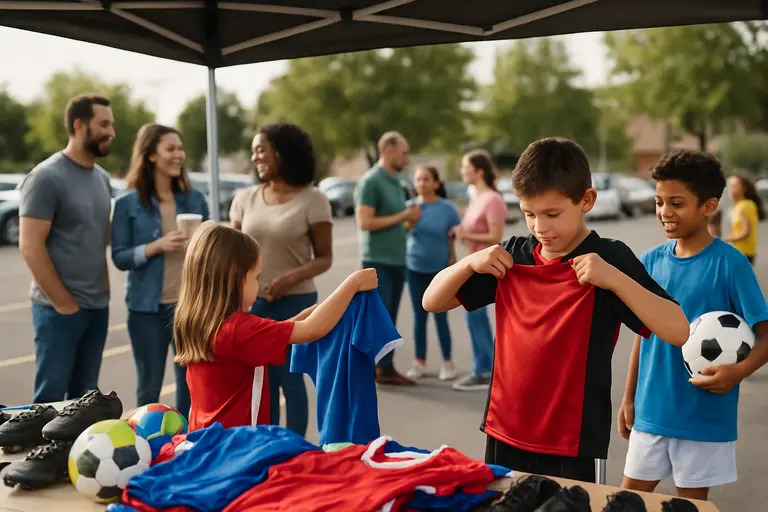
The Spring 2026 recreational league numbers showed why the recreational side should never be treated as secondary. The research notes listed 190 teams, more than 95 games every weekend, 20 fields, eight weeks, and more than 760 total games. Those numbers point to a large community operation, not just a soccer schedule. Every weekend involved parents setting up chairs, coaches organizing substitutions, referees managing games, and young players getting repeated chances to enjoy the sport.
That scale also affects local sports identity. A child who starts in a recreational league may later try competitive soccer, coach younger players, referee matches, or bring a younger sibling into the program. The pathway is not always straight. Sometimes the best outcome is a teenager who stays active, learns teamwork, respects officials, and builds friendships across schools and neighborhoods. Community soccer should be judged by those outcomes as well as elite advancement.
Local Businesses And Field-Day Support
Large youth soccer weekends create steady activity around parks, schools, and nearby small businesses. Families buy meals, fill gas tanks, visit coffee shops, and sometimes stay near tournament venues. Local businesses can support clubs through team meals, field-day donations, equipment help, or modest sponsorships that reduce costs for families. In return, they become part of the sports culture that families see every week.
Good partnerships are practical. A restaurant that hosts a team night, a physical therapy office that gives an injury-prevention talk, or a sporting goods store that helps with equipment access can all support the youth soccer environment. These efforts should keep the focus on players and families, not just promotion. When local support helps more children play and stay in the sport, the whole community benefits.
Why LAFC So Cal Youth Matters Locally
A Practical Model For California Clubs
LAFC So Cal Youth gives California soccer families a useful case study: a professional club partnership can add resources while a long-standing local program keeps the door open for broad participation. The strongest version of that model respects both sides. Elite players need higher-level training and competition. Newer players need welcoming entry points. Coaches need education and consistency. Parents need clear calendars, honest placement feedback, and age-group information they can understand.
As of September 14, 2026, the most useful takeaway is not that every player should chase the same destination. It is that a strong youth soccer pathway should make the next step clearer, whether that step is a first recreational season, a competitive tryout, a tournament weekend, an academy conversation, or a college recruiting goal. When clubs, families, coaches, and local businesses work together, young athletes get more than a team assignment. They get a healthier soccer environment that can support them through many stages of growth.


