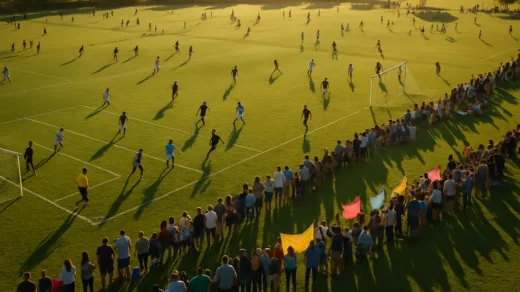
SoCal League Tournaments are giving Southern California families a busy late-August soccer window, but the available information points to regular tournament listings rather than a single confirmed news report from a major outlet about a leaguewide kickoff. As of August 29, 2026, the supported tournament notes show several events clustered across Orange County, Los Angeles, San Diego, Temecula, San Clemente, and Ventura County. For young players, that still matters. These weekends create match minutes, travel routines, coaching checkpoints, and community connections before fall competition settles into rhythm.
The timing is especially meaningful because some listed events already took place on August 22–23, 2026, while others were listed for August 28–30 or August 29–30, 2026. That distinction matters for parents and coaches. Families should not treat every late-August tournament as still open or ahead on the calendar. The Kelme Cup, also identified as the Orange County Kickoff Classic in Irvine, was held on August 22–23, 2026, with boys and girls U7–U19 divisions and an expected field of more than 600 teams, according to the OCKC by Kelme. The Rebels Summer Invitational was also scheduled for August 22–23, 2026, at the SoCal Sports Complex in San Diego for boys and girls U8–U19, with more than 150 regional teams listed by the Rebels Soccer Club.
SoCal League Tournaments And The Weekend Window
SoCal League Tournaments For Young Players
For many teams, SoCal League Tournaments serve as a practical test before league play and school schedules create more pressure. Coaches can see how players respond to multiple matches in a short span. Players learn how to manage warmups, hydration, recovery, and focus after an early mistake. Parents get a clearer sense of travel time, parking needs, meal planning, and how their child handles a competitive weekend.
The research available for August 29–30, 2026, identified LA City Summer Finale and Players Challenge Cup as part of the weekend tournament window. It also listed the San Clemente Surf Classic for August 28–30, 2026, which means that as of August 29, 2026, that event was within its stated date range. Because the allowed source set for this article does not include those specific event pages, the most responsible approach is to present those details as supported by the provided tournament notes, without adding unverified brackets, venues, results, or team names.
Why Timing Changes The Story
Late August is not just another spot on the calendar. It sits between summer training and the heavier fall soccer period. A tournament on August 22–23, 2026, should be discussed as a completed opportunity. A tournament running August 28–30, 2026, should be discussed as an active date window as of August 29, 2026, unless official results are available. A tournament listed for August 29–30, 2026, can be treated as part of this weekend’s schedule, but families still need the event operator’s direct instructions for field assignments and any schedule changes.
What The Dates Say For Families
Travel And Recovery Are Part Of Development
Southern California youth soccer asks a lot from families. A weekend can mean an early drive to San Diego, Orange County, Los Angeles, Temecula, or San Clemente. That travel affects young players before they step on the field. Sleep, food, arrival time, and emotional calm all shape performance. A player who arrives rushed may struggle with touch and decision-making. A player who has a steady morning routine often has a better chance to settle into the match.
Parents can support their players without turning the car ride into a pressure session. A simple plan works best: confirm the field location, pack uniforms the night before, bring water and light snacks, and leave enough time for parking. For clubs comparing where tournament weekends fit within league play, our related look at California youth league structure can help families understand how competition formats connect across the state.
Family Priorities For A Tournament Weekend
Every team has its own needs, but most families benefit from a few shared habits. These small steps help players feel supported while giving coaches a calmer environment around the field.
- Confirm dates and field assignments: Use the event operator’s official schedule before leaving home.
- Plan for heat and wait time: Late-August weather can make shade, water, and rest periods meaningful.
- Keep feedback simple: Young players often need encouragement first and technical review later.
- Respect recovery: Multiple matches in two or three days can be demanding for growing athletes.
- Support the whole roster: Tournament weekends work best when every player feels valued.
Player Development Value Across Age Groups
U7 To U12: Confidence And Ball Comfort
For younger age groups, tournament value should not be measured only by wins. U7 through U12 players are still building comfort with the ball, spacing, passing choices, and emotional control. A tournament gives them repeated chances to try decisions under pressure. Coaches can watch whether a player keeps asking for the ball after a turnover, tracks back after losing possession, or celebrates a teammate’s effort.
That is why SoCal League Tournaments can be helpful for families who want to see growth beyond a single score. A child who learns to reset after a tough first match may gain more long-term value than a child who wins without facing much stress. Coaches can use short sideline conversations to reinforce one or two clear ideas instead of overwhelming young athletes with too many instructions.
U13 To U19: Roles, Pace, And Team Identity
For older players, tournament play can test roster depth and role clarity. U13 through U19 teams often use these weekends to evaluate partnerships, pressing cues, defensive communication, and how players handle physical pace. The Albion Cup Preseason Elite Showcase was listed for August 22–23, 2026, at Galway Downs in Temecula for U11–U19 club teams, while the Verano Cup boys’ weekend was listed for the same dates in San Diego after the girls’ August 15–16, 2026, event. Those events had already passed as of August 29, 2026, so any discussion should focus on what teams could learn from them rather than presenting them as future opportunities.
Older players also need to learn how to be good teammates during compressed schedules. Not every athlete will play the same minutes in every match. Some will start, some will close matches, and some will be asked to change positions. Coaches can help by explaining roles clearly and keeping development goals visible. Families can help by supporting the team plan, even when a player is disappointed with playing time.
Community Planning Around Tournament Weekends

Local Businesses Feel The Weekend Rhythm
Youth soccer tournaments affect more than the teams on the field. Restaurants, coffee shops, sporting goods stores, gas stations, and nearby hotels often see visiting families during tournament windows. A two-day or three-day schedule can bring steady morning and afternoon traffic to a host area. While the research does not provide economic totals for these specific events, the pattern is easy for local communities to recognize: tournament families need meals, supplies, rest stops, and safe gathering places between matches.
For clubs, this creates a chance to build respectful local relationships. Teams can encourage families to support nearby businesses, keep fields clean, and model good sideline behavior. That matters because host cities and venues remember how events feel. A tournament that runs with courtesy and care strengthens the case for future youth soccer opportunities.
Coaches And Clubs Can Set The Tone
Good tournament culture starts before kickoff. Coaches who communicate arrival times, expectations, and recovery plans help reduce stress. Team managers who share field maps and schedule updates keep parents informed. Club leaders who remind families about sportsmanship protect the experience for players and referees.
SoCal League Tournaments also give clubs a chance to connect across regions. A San Diego team may face an Orange County opponent it rarely sees. A Los Angeles team may travel to a venue where field size, surface, or weather feels different. Those matchups build adaptability, and adaptability is a key part of player growth.
Why SoCal League Tournaments Matter Locally
SoCal League Tournaments matter because they bring together the main pieces of youth soccer development: players learning under pressure, coaches teaching in real time, parents supporting routines, and communities hosting families from nearby regions. The late-August 2026 schedule included completed events on August 15–16 and August 22–23, along with listed tournament windows for August 28–30 and August 29–30. That mix calls for careful date awareness, not vague promotion.
For our local soccer community, the best takeaway is practical. Use official schedules, respect completed dates, and focus on what young athletes can learn from each match. Whether a team played in Irvine, San Diego, Temecula, San Clemente, Los Angeles, Huntington Beach, Silverlakes, or Ventura County, the goal should stay centered on development. Strong tournament weekends are not only about medals. They are about confidence, teamwork, travel habits, coaching trust, and the steady community support that keeps youth soccer growing across California.