Coach mental health training is now a real planning issue for California youth soccer, not just a sideline conversation. AB 1665 was signed by Governor Gavin Newsom on September 30, 2026, and it created a behavioral and mental health training requirement for high school coaches in interscholastic athletics under the California Interscholastic Federation, including private schools. For soccer families, athletic directors, club coaches, and players moving between school and club teams, the change matters because the coach is often the adult who sees the player most consistently under pressure.
The requirement is tied to the 2027–28 school year. Coaches in CIF-member high school programs are required to complete the training before each sports season cycle and renew it every two years after that. AB 1626, also signed on September 30, 2026, adds a related model behavioral and mental health training for youth sports coaches in recreational, competitive, and club settings. That model is scheduled for state education alignment beginning July 1, 2027, with the California Department of Education required to post the model training online by September 1, 2027.
From a soccer development view, this policy connects directly to player trust, communication, injury response, recruitment pressure, and team standards. A high school coach is not a therapist, and the new policy does not turn coaches into clinical providers. It does, though, give coaches a clearer way to recognize concern signs, keep their own limits, and guide players toward the right support channels.
Coach Mental Health Training And California Soccer
How Coach Mental Health Training Applies To High School Soccer
The first group directly affected is high school soccer coaches working in CIF-member schools, both public and private. The research notes identify AB 1665 as applying to interscholastic athletics, with training required before each sports season cycle. In practical terms, a boys or girls high school soccer staff cannot treat the requirement as a one-time paperwork item. It becomes part of preseason readiness alongside eligibility, physicals, emergency planning, uniforms, field access, and transportation.
That timing will matter for soccer because the sport already asks families to balance club calendars, school commitments, tournament travel, and college recruiting conversations. If a coach joins late, changes roles, or helps as a seasonal assistant, the school will need a way to confirm training status before that person works with athletes during the season cycle. For administrators, the policy may create new tracking work. For families, it creates a clearer expectation that every coach on the sideline has been exposed to the same basic behavioral and mental health topics.
The subject areas named in the research are broad and relevant to soccer. They include recognizing signs of depression, anxiety, eating disorders, substance use disorders, and suicidal ideation. They also include athlete-specific concerns such as performance anxiety, competition pressure, recruitment pressure, and the behavioral and mental health impacts of injuries. Those topics show up in soccer in quiet ways: a starter losing confidence after a mistake, a goalkeeper avoiding training after a rough match, a player returning from injury who no longer trusts the repaired leg, or a recruit feeling that every touch is being judged.
What Club Programs Can Take From The Policy
Club soccer outside formal school sports is affected differently. Based on the research notes, AB 1626 creates a state-approved model training that recreational, competitive, and club youth sports entities can use. The law does not place the same ongoing scrutiny on those outside organizations as AB 1665 places on school programs. Still, the availability of a state model may influence club expectations, especially for programs that share players with high school teams.
For California clubs, this is a chance to align language and referral habits with schools before issues appear. A club coach who understands warning signs and a high school coach who uses a similar framework can support the same athlete with less confusion. That matters for players who train with a club three nights a week, play high school soccer during the school season, and attend showcases or ID events during breaks. Consistent adult response can reduce mixed messages.
Clubs already review field safety, concussion awareness, hydration, and travel rules. Mental health education can sit in that same player safety category. Families can also review broader safety expectations through resources such as health and safety news in California youth soccer, especially when planning how school, club, and family support fit together.
Why Player Well-Being Belongs In Soccer Development
The Data Behind The Concern
The youth mental health need is not limited to soccer, but soccer coaches see many of the same pressures in their own teams. The CDC reported that about 40% of high school students experienced persistent feelings of sadness or hopelessness in the past year, according to CDC youth mental health data. The research notes also state that 20% seriously considered attempting suicide and 9.5% attempted suicide in the 2023 Youth Risk Behavior Survey context.
Soccer-specific research adds another layer. A study involving 668 adolescent soccer athletes ages 13–18 in the Elite Clubs National League identified greater age, female sex, previous injury, and less sleep as strong predictors of depression and anxiety symptoms, according to an elite youth soccer study. For coaches, those factors are not abstract. They appear in roster decisions, return-to-play conversations, travel recovery, late homework nights, and the stress of trying to earn minutes in competitive environments.
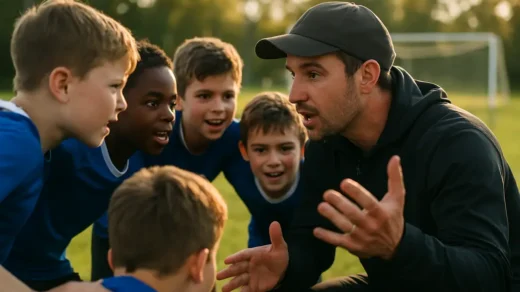
A former coach’s view is simple: development is not just first touch, speed of play, and finishing. A player who is exhausted, isolated, afraid of mistakes, or hiding injury pain will struggle to grow. The strongest training session loses value if the player does not feel safe enough to communicate. Coach mental health training gives staffs a common starting point for reading behavior without jumping to labels or making promises outside their training.
Pressure Points Coaches Often See First
Soccer has some unique stress patterns. The calendar can run long, especially for players who move from club fall play into high school winter soccer, then back into spring showcases or league matches. Goalkeepers carry visible mistakes. Center backs can be blamed for single moments. Forwards may measure self-worth by scoring. Younger players may hear recruiting talk before they have learned how to handle disappointment.
Injuries deserve special attention. A sprained ankle, knee injury, concussion concern, or repeated muscle issue can change a player’s place on the team. The research notes list injury impacts as a covered subject area under the laws. That is appropriate because injured players often lose daily contact with teammates, worry about losing a role, and feel pressure to return before they are ready. A trained coach should know how to respond with patience, clear limits, and referral pathways instead of turning every concern into a toughness test.
Practical Changes For Coaches, Families, And Clubs
Preseason Planning Will Need More Lead Time
For high school soccer programs, the main operational change is timing. Coaches must be certified before each season cycle beginning with the 2027–28 school year. Athletic departments may need to build training checks into onboarding, preseason meetings, volunteer approval, and assistant coach hiring. A strong plan would avoid waiting until the week before tryouts, when field space, rosters, and paperwork already demand attention.
Families may notice new forms, coach education references, or school communications around behavioral and mental health support. That should not be read as a sign that a program has a problem. It means the school is building a standard response before a concern appears. Good soccer programs prepare for heat, injuries, and transportation issues ahead of time. This policy asks high school programs to prepare for emotional and behavioral concerns with the same seriousness.
- For athletic directors: track coach completion dates, renewal cycles, and seasonal eligibility before tryouts.
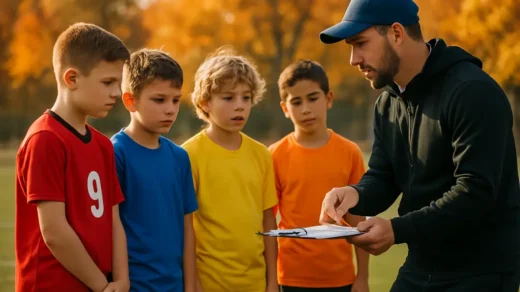
- For head coaches: set staff expectations for communication, boundaries, and referral steps.
- For club directors: consider using the state model once posted by September 1, 2027, even if not required in the same way.
- For parents: ask how the team handles concern signs, injury stress, and player communication.
Better Communication Without Overstepping
The research notes say the laws cover communication techniques, coaching limits, team culture, protective factors, and appropriate referral pathways. That balance is key. Coaches need enough training to notice red flags and speak with care, but they also need reminders that diagnosis and treatment belong to qualified professionals. The best soccer coach in this area is not the one who tries to solve everything. It is the coach who recognizes concern, documents appropriately through school or club channels, and brings in trained support.
That approach can also protect team culture. Players watch how adults respond when someone struggles. If a coach dismisses anxiety as weakness, the team learns silence. If a coach keeps standards high while treating players with respect, the team learns accountability and care can exist together. Coach mental health training can help shift those daily moments: the post-match talk, the bench conversation, the return from injury, and the private check-in after a sudden drop in effort or attendance.
Community Support Around The Soccer Athlete

Parents And Local Programs Share The Work
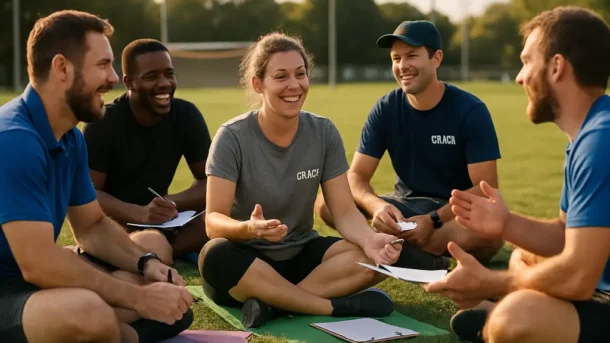
Youth soccer works best when the adults around the player are not working from separate scripts. Parents see mood, sleep, school stress, and home behavior. Coaches see training habits, teammate relationships, confidence under pressure, and changes after wins or losses. School counselors, athletic trainers, teachers, and club directors may each see another piece. The new policy can help create a shared vocabulary, but it cannot replace trust among those adults.
Parents do not need to wait for a crisis to talk with coaches. A short, respectful note about injury stress, sleep struggles, or a recent family issue can help a coach support the player within proper limits. Coaches, in turn, should avoid public callouts and should use private, calm communication when behavior changes. In soccer terms, this is similar to coaching shape: everyone has a role, and the team works better when people know where support should come from.
Local Businesses And Community Identity
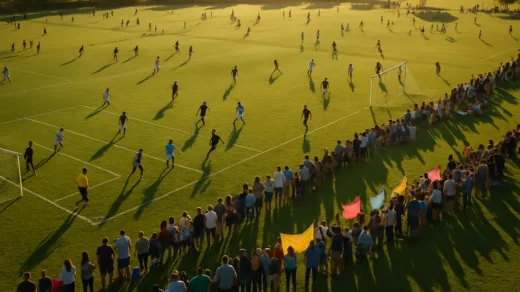
California youth soccer is also a community system. Local businesses sponsor uniforms, restaurants host team meals, cities maintain fields, and families travel across counties for matches. Mental health training may not look like a business issue at first, but healthier programs help keep families engaged. A club or high school team known for player care can strengthen local trust and make it easier for sponsors, volunteers, and alumni to stay connected.
There may be costs tied to training access, tracking systems, and staff time. The research notes mention the need for sustained investment because renewals occur every two years. Programs with fewer administrative resources may need support from districts, booster groups, or community partners. The fairest approach is one that does not leave smaller schools or lower-cost clubs behind.
What Coach Mental Health Training Means For Youth Soccer
Coach mental health training will not remove pressure from soccer. Players will still compete for starting spots, recover from injuries, manage schoolwork, and face disappointment. What the policy can do is make adult response more consistent. It can help a coach recognize that a player’s withdrawal, sudden anger, skipped meals, sleep loss, or fear after injury may require care beyond another fitness run or a sharper halftime speech.
For California high school soccer, AB 1665 sets a required standard beginning in the 2027–28 school year. For club and recreational soccer, AB 1626 offers a model that can bring more programs into the same conversation after it is posted by September 1, 2027. The strongest outcome would be a youth soccer culture where development includes skill, fitness, decision-making, resilience, and the confidence to ask for help.
As a former youth coach, I see this less as an added burden and more as a needed coaching habit. A player’s long-term path, whether that leads to varsity soccer, college opportunities, adult leagues, or simply a lifelong love for the game, depends on more than talent. It depends on trusted adults who know when to coach, when to listen, and when to connect a young athlete with the right support.