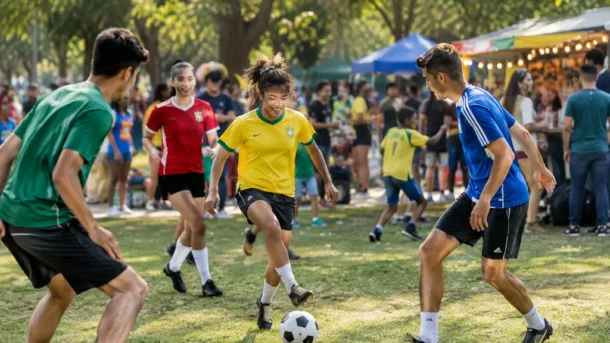
Festival-Style Tournaments give youth soccer a community stage, not just a bracket sheet. As of November 1, 2026, several major soccer gatherings from the past year had shown how matches, clinics, culture, and family activity can sit together in one event model. For California clubs, that matters because local youth soccer is often shaped as much by parents, volunteers, parks, and nearby businesses as by the final score.
How Festival-Style Tournaments Build Identity
A tournament can identify the strongest team in an age group, but a festival format can do more. It can help a city, neighborhood, or club show what it values. The format often gives families reasons to stay on site between kickoff windows, gives younger siblings a place to feel included, and gives coaches a chance to see players under both competitive and social pressure.
That blend matters in youth soccer because children learn from the full setting around a match. A player who sees grandparents, local vendors, former players, and classmates around the field starts to connect the sport with place. That sense of place can keep families involved through long seasons, travel weekends, and the normal ups and downs of development.
Why Festival-Style Tournaments Feel Different
Festival-Style Tournaments feel different because the event is not limited to teams arriving, warming up, playing, and leaving. The best versions keep the competitive structure clear while adding community-led activity around it. That might mean a skills station, a cultural celebration, a youth clinic, or a shared space where families from different clubs can talk between matches.
There is a sports benefit here, too. Young players need match minutes, but they also need positive memories tied to the game. When the setting feels welcoming, players may be more willing to return after a tough result. Coaches can use those moments to teach accountability, resilience, and respect for opponents without making the day feel harsh for children who are still learning.
Community Identity Beyond The Scoreline
At their best, Festival-Style Tournaments connect competition with belonging. A club from a coastal town, an inland city, or a farming community can host visitors while showing its own soccer identity. That identity might come through food, music, volunteer groups, local school partners, or alumni who come back to help run fields.
For parents, this type of event can make tournament weekends feel less isolated. Families are already managing transportation, meals, rest, and schedule changes. A stronger community setting can help them feel that the effort supports something larger than one result. For local businesses, the same setup can bring steady foot traffic and a positive connection to youth development without turning the event into a sales-first weekend.
What 2026 Soccer Fests Showed Communities
The national Soccer Forward Fests effort offered one of the clearest 2026 examples of how community-led soccer activity spread beyond major host cities. Between March 3 and October 31, 2026, Soccer Forward Fests registered 551 events in 46 states and expected more than 85,000 participants, with events ranging from clinics to neighborhood celebrations, according to a Soccer Forward Fests report. More than half of those events took place outside the 11 U.S. cities that hosted 2026 FIFA World Cup matches.
That detail should catch the attention of California youth soccer leaders. Large global events may bring the spotlight, but community soccer growth does not have to depend on being a host market. A city can use a soccer weekend to celebrate its own families, schools, parks, and clubs. The lesson is not that every event must be large. The lesson is that the event should fit the community it serves.
Why Reach Outside Major Cities Matters
When soccer events reach smaller markets and non-host areas, they help young players see that the sport belongs to them, too. A player in a suburb, rural town, or inland community should not feel that meaningful soccer experiences only happen in major stadium markets. Local fields can become gathering points when organizers plan with families, volunteers, and community partners in mind.
For California clubs, this is a practical planning point. A tournament in the Central Valley may have different needs than one near the coast. A Southern California event may face different parking, heat, and travel demands than a Northern California event. Community identity grows when organizers respond to those local details instead of copying a format that worked somewhere else.
Boston Unity Cup As A Cultural Model
The Boston Unity Cup also showed how soccer can carry civic meaning. In mid-July 2026, teams representing nationalities across Boston played matches over three weeks at Northeastern University, and the tournament was described as a city-wide cultural celebration in a Boston Unity Cup feature. The event had been held seven times in the previous eight years as of 2026, with one missed year due to Covid.
California communities can learn from that model without trying to copy every detail. Many youth clubs already include families with ties to different countries, regions, and languages. A tournament that respects those ties can create a stronger sense of welcome. The soccer remains real and competitive, but the event also tells families that their backgrounds are part of the local game.
Lessons For California Youth Soccer Events
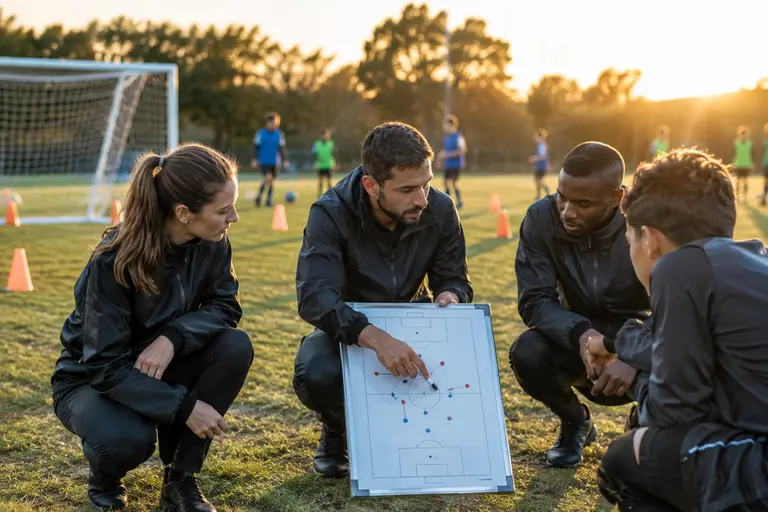
For local clubs, Festival-Style Tournaments should start with the soccer calendar and then build outward. The bracket, rest periods, field spacing, and age-group structure still need to work first. If match operations are confusing, the community pieces will not fix the player experience. Clear kickoff windows, posted field maps, and steady communication with team managers help families feel prepared.
Once the matchday structure is reliable, clubs can add features that support the community. A short youth clinic before finals, a volunteer appreciation moment, or a local food area can make the event feel rooted in place. Clubs can also partner with schools, recreation departments, and small businesses in ways that support families rather than distract from the soccer.
There is a useful connection here with recreational play. Local cups often introduce newer players to competition in a less intimidating setting, and that can build long-term participation. Our related look at recreational cups shows how community-first events can help young players build confidence and friendships.
- Protect the player schedule: Avoid long idle gaps when possible, especially for younger teams.
- Use local partners wisely: Invite groups that support families, fields, food, safety, or youth activity.
- Make culture visible: Welcome the languages, traditions, and soccer backgrounds already present in the club.
- Keep costs in view: Family travel, meals, and parking shape how accessible an event feels.
What Parents Need From A Festival Format
Parents need clarity. They need to know when to arrive, where to park, how long the day may run, and whether siblings will have safe space nearby. A festival setting should reduce stress, not add noise. That means signs, volunteers, water access, shade where possible, and simple updates if fields or times change.
Parents also need the event to respect development. A strong tournament culture does not treat every youth match as a final. Coaches can compete hard while still giving players useful feedback and keeping substitution plans tied to age and learning goals. That balance is where a good community event can stand out.
How Local Businesses Can Support The Event
Local businesses can help in practical ways. A restaurant may support team meals, a sporting goods shop may help with equipment, or a nearby service business may sponsor a field map or hydration station. The best partnerships feel connected to family needs. They should help the event run better and make visitors feel welcome.
For business owners, youth soccer events can build trust with families. The connection is strongest when support is steady and visible in helpful places. A business that helps volunteers feed referees or keeps water available near fields is doing something families remember.
Why Festival-Style Tournaments Strengthen Local Soccer
Festival-Style Tournaments work because they respect two truths at once: young players want meaningful competition, and communities need shared spaces where families can gather around something positive. A well-run event can give players match pressure, coaches evaluation time, parents a better weekend rhythm, and local partners a reason to support youth sports.
For California youth soccer, the main takeaway from 2026 is simple. Community identity is not built only through large stadium events or national attention. It can be built on local fields when organizers plan the soccer well, welcome families thoughtfully, and give each community room to show who it is through the game.