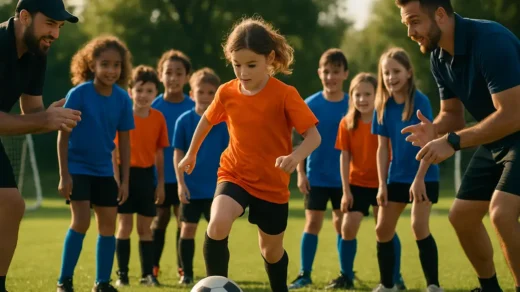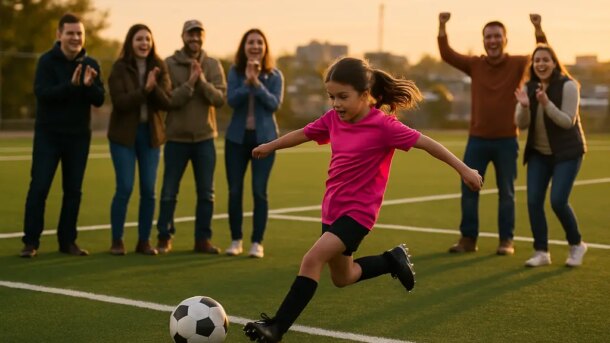
Foundation Sports Park is giving Sonora families a clearer example of how local sports infrastructure can support youth soccer, shared recreation, and community gathering in one place. For parents, coaches, and young players, the expansion is not just about new buildings or fresh amenities. It is about whether local teams have safe, accessible, and affordable spaces where training, games, camps, and community events can happen with less strain on families and volunteers.
As a community advocate, I see projects like this through the eyes of the people who organize rides, carry pop-up goals, coach after work, and keep younger siblings entertained on the sideline. A well-planned sports park can ease those daily pressures. It can also help local leagues build stronger schedules, support new players, and create more room for collaboration between soccer, other sports, county partners, donors, and neighborhood groups.
Foundation Sports Park Expansion And Youth Access
What Foundation Sports Park Added In 2024
Phase One opened in 2024 on Standard Road in Sonora and included a FIFA-regulation natural turf soccer field, four pickleball courts, a parking lot, lighting, ADA-accessible infrastructure, and other site improvements, according to a local construction report. For youth soccer, that first phase mattered because a regulation field gives coaches a more reliable setting for teaching spacing, team shape, restarts, and full-sided match habits.
That kind of field access can change the rhythm of a local soccer week. Younger players need consistent touches, but older players also need field dimensions that prepare them for league and tournament play. Coaches can run more realistic sessions when the field, lighting, parking, and access points are planned together. Families benefit, too, because a site with basic support features can reduce confusion at drop-off, pickup, and matchday gatherings.
Why Field Quality Affects Development
Good facilities do not replace good coaching, but they help coaches teach the game more clearly. A natural turf surface, visible lines, safe access routes, and lighting all support better training habits. Players can focus on receiving, passing, scanning, and decision-making instead of adjusting around avoidable site problems. For newer players, that calmer environment can make soccer feel more welcoming.
The project also speaks to inclusion. ADA-accessible infrastructure was part of Phase One, which is meaningful for grandparents, parents, siblings, players, and volunteers who need safer movement through the site. Youth soccer works best when the whole family can take part, not only the athletes on the field.
How Phase Two Supports Shared Community Use
What Phase Two Was Reported To Add
As of mid-July 2026, construction was reported underway on Phase Two. The planned additions included a 12,000-square-foot indoor multi-sport pavilion, basketball and volleyball courts, management offices, a community plaza, restrooms and storage facilities, expanded fencing, a new entrance, and the Curtis Creek Nature Trail, according to the same local construction report. No completion date was included in the research notes provided for this article, so families should treat timing details carefully until an official update is available.
For soccer families, indoor and support spaces can help a park serve more than one purpose. A pavilion can host camps, clinics, coach meetings, youth organization gatherings, and multi-sport activity. Restrooms and storage facilities can improve the day-to-day experience for volunteers who manage gear, first-aid supplies, cones, balls, and event materials. A new entrance and expanded fencing can also help with site flow, especially when multiple activities are scheduled close together.
Year-Round Space For Teams And Families
Once Phase Two is complete, the park is expected to offer affordable, year-round recreational and sports opportunities for local youth organizations, tournaments, camps, and community events. That matters in a county where families may already be balancing school schedules, work shifts, travel time, and the cost of youth activities. Affordable local access can keep more children connected to organized play.
Weekly usage already includes hundreds of community members involved in youth soccer practices and games, pickleball, sports camps, adult recreation, and community events. That mix is a strength, but it also requires fair scheduling and clear communication. Soccer clubs, recreation groups, camp leaders, and adult leagues all need space. A shared site works best when the process for field time is easy to understand and consistent across groups.
Community Governance Behind The Project
Funding Signals Local Buy-In
More than $3 million has been raised so far to support the development of the park, including major gifts from the Sonora Area Foundation, the Chicken Ranch Rancheria of Me-Wuk Indians, and local donors. The Sonora Area Foundation also pledged an additional $1 million matching grant to help complete Phase Two. Those details show a project shaped by more than one funding stream and more than one community voice.
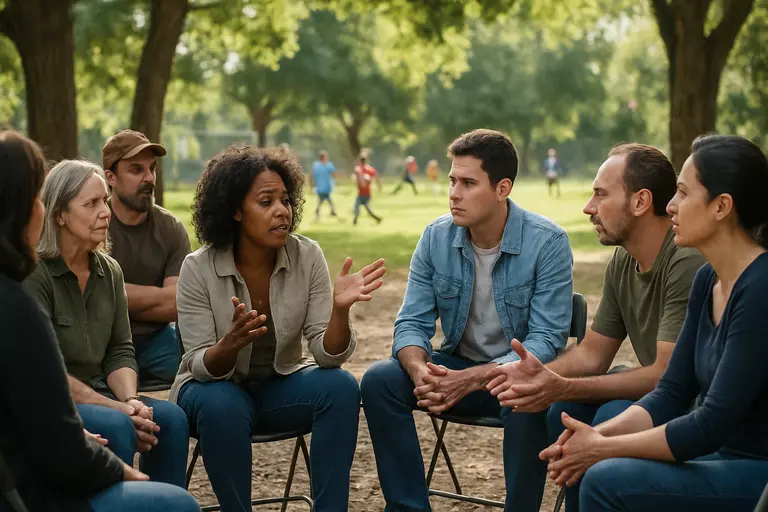
For families, that shared support matters because youth sports facilities rarely succeed through one organization alone. Public agencies, nonprofit partners, tribal entities, donors, coaches, and parents all carry part of the responsibility. Good governance means those partners keep communicating after the ribbon-cutting, especially about access, maintenance, safety, and how different user groups share the space.
Connection To Standard Park Sports Complex
The park is part of the Standard Park Sports Complex managed by Tuolumne County. The complex spans 12 acres, has been in use since 1981, includes four skinned softball fields with natural turf outfields, and serves five youth soccer fields along with other sports and events year-round, according to the county’s sports complex page. That long public-use history gives the expansion a wider civic context.
For local soccer, being connected to an established county sports complex can help families understand where the project fits. This is not an isolated field. It is part of a broader public recreation site that already supports multiple sports. That creates opportunity, but it also calls for steady coordination so soccer remains visible in planning discussions, maintenance priorities, and youth access decisions.
Other California communities are facing similar facility questions, especially as youth participation depends on safe fields and shared funding. Families and club leaders interested in the funding side can read more about youth soccer grants and how local projects can bring partners together.
Why Foundation Sports Park Matters For Sonora Soccer
What Families And Coaches Can Track
Foundation Sports Park gives Sonora soccer families a practical reason to stay engaged with local facility planning. The next questions are not only about construction. They are about how the site will be scheduled, how costs will be managed, how youth groups will apply for use, and how families will receive updates before busy practice and tournament periods.
- Access: Families should watch for clear information on field reservations, pavilion use, restrooms, parking, and safe arrival routes.
- Affordability: Local leaders should keep youth organization costs in view so new facilities do not become out of reach for families.
- Communication: Coaches and parents need timely updates about construction status, field availability, and any changes to entrances or parking.
- Shared Use: Soccer, basketball, volleyball, pickleball, camps, and community events can all benefit when scheduling is fair and public expectations are clear.
The larger lesson is simple: youth soccer development depends on people and places. Coaches teach. Players commit. Parents support. Local businesses and donors give. County partners manage public assets. When those pieces work together, a sports park can become a steady home for learning, friendship, and healthy activity.
For Sonora, the expansion is a chance to strengthen the youth soccer pathway while serving a broader recreation community. If local leaders continue to center safety, access, affordability, and transparent communication, Foundation Sports Park can support not only better practices and matches, but a stronger connection between teams, families, and the wider Tuolumne County community.