
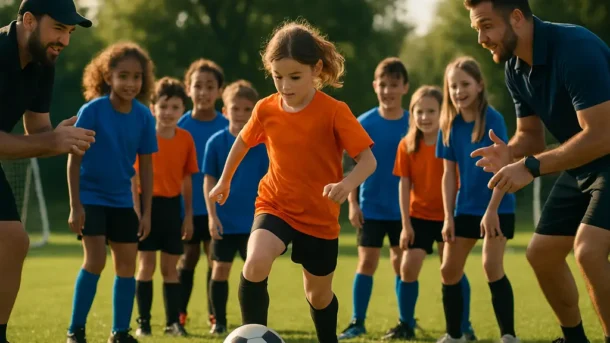
Orange County soccer clinics are taking on a wider purpose after a September 30, 2026 announcement linking Orange County Soccer Club, the OCSC Foundation, and OC Waste & Recycling. The partnership is built around Project Zero Waste education, with five youth clinic events planned in the first year and a clear goal: help young players connect their daily choices with their team habits, school routines, and family life.
From a player development view, that matters. Young athletes learn best when lessons are tied to action. A child who hears about recycling in a classroom may understand the idea. A child who hears that same message while training with teammates, receiving gear, and being encouraged by trusted adults may carry the message into home and school settings with more confidence. Soccer already teaches spacing, communication, recovery, and shared responsibility. Environmental awareness fits naturally into that same learning model.
Why Soccer Clinics Fit Youth Development
How Soccer Clinics Connect Skills And Stewardship
Training events are often judged by touches on the ball, but the best local youth programs also build habits away from the field. The OC Waste & Recycling announcement said the partnership with Orange County Soccer Club and the OCSC Foundation will bring Project Zero Waste education to youth through five clinics in the first year OCWR partnership announcement. That structure gives coaches and educators a shared setting where players can practice technical skills while hearing simple, repeatable messages about waste diversion.
For families, the value is not only in one afternoon of training. These soccer clinics can introduce a pattern: arrive prepared, respect the space, listen to instruction, support teammates, and leave the area better than it was found. Those are sports habits, but they are also community habits. When players learn them early, the sideline culture improves too. Parents see that the field is more than a place to win matches; it is a shared local resource.
Why Standards-Aligned Lessons Matter
Project Zero Waste is described as a free, standards-aligned K-12 curriculum developed with the Orange County Department of Education. It is available in English, Spanish, and Vietnamese, and it covers recycling, composting, and sustainable materials management. That language access matters in Orange County because youth sports families do not all receive information in the same way. A multilingual program can help more students bring the message home without making parents feel left outside the conversation.
As a coach, I like that the curriculum is tied to daily choices rather than abstract slogans. A player can understand sorting waste after a snack, recognizing reusable materials, or talking with a teacher about composting. Those actions are small enough for a young athlete to try right away. They also give coaches a positive theme for team talks: responsibility is not limited to defending a corner kick or tracking a runner. It includes how players care for the spaces they use.
What The Orange County Partnership Adds
Gear, Mascot Energy, And Player Buy-In
The clinics are set to include soccer gear packages with items such as a backpack, jersey, socks, hat, and more. The OCWR announcement also said Gnarly, the OCSC mascot, will join the outreach. For younger players, those details can make the learning moment feel personal. Gear can reduce barriers for participation, while a mascot can lower the pressure that some children feel in a formal training setting.
Still, the lasting benefit depends on how adults frame the experience. If a player receives gear and hears a short talk, the moment may fade. If coaches connect the message to team standards, it can stick. A coach might remind players that taking care of their equipment is part of taking care of their environment. A parent might ask what went into the correct bin after practice. A teacher might build from the same Project Zero Waste concepts in class. That shared language can help a clinic become more than a single event.
Family Events Extend The Reach
The partnership also includes OCWR participation in select OCSC family events, including examples such as Hispanic Heritage Night, according to the announcement. That point is easy to overlook, but it is meaningful for local youth soccer. Many parents, siblings, and relatives learn through the social side of sport. A family event can reach people who may not be enrolled in a clinic but still shape a young player’s habits at home.
Community partners should see this as a practical model. Youth soccer brings families together on set days, in familiar places, with shared interest. Local agencies and nonprofits can use that gathering point to share useful information without pulling families away from sport. Done well, the result feels supportive rather than like an extra assignment.
Lessons For Coaches, Parents, And Clubs
Keeping The Message Age-Appropriate
Younger players need clear and visible actions. They can pick up after themselves, identify basic recyclable items, or help a teammate remember where bottles and wrappers belong. Older players can handle deeper discussion about composting, materials management, and how team travel or event days create waste. The key is to match the message to the age group, just as a coach would adjust passing patterns or pressure drills.
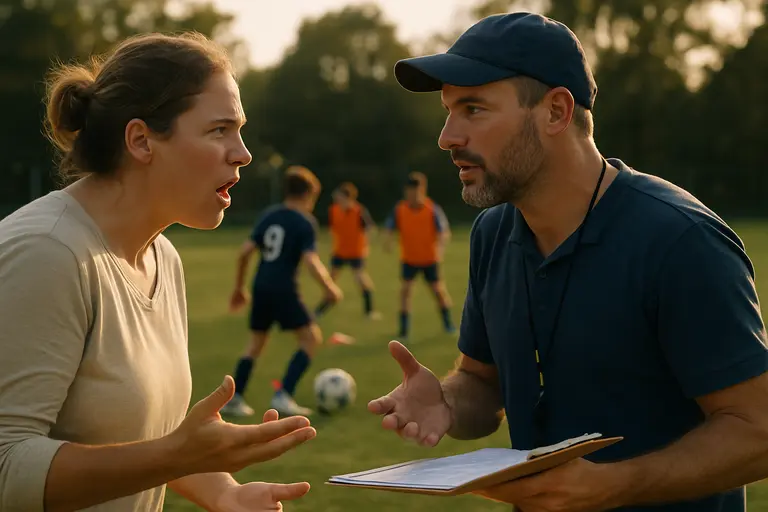
Parents should not feel they need to become environmental experts. The most useful support is consistent language. Ask a player what the clinic covered. Let the child explain it back. Then connect that lesson to a household routine. For local clubs, this is also a reminder that development plans can include character, leadership, and civic habits alongside first touch and decision-making. For more on how training events can support growth, clubs can compare this approach with skills clinic planning used in youth soccer settings.
- For coaches: tie cleanup habits to team standards before and after training.
- For parents: ask players to share one waste-diversion action they can repeat at home or school.
- For clubs: coordinate with schools and public agencies so the message stays consistent.
- For local businesses: support events with reusable or low-waste materials when possible.
Connecting Soccer With Wider Youth Climate Learning
The OCSC effort sits within a broader Orange County youth education setting. Cool OC launched its Youth Climate Leadership Program in summer 2025, offering five sessions per cohort for middle school and high school students on topics that include energy, waste, environmental justice, plant-based diets, and disaster preparedness Cool OC program details. That program is separate from the OCSC partnership, but it shows that waste and climate learning are already part of local youth conversations.
For athletes, the connection is useful. Soccer asks players to think beyond themselves: where to move, when to press, how to cover for a teammate. Environmental education asks for similar awareness. A player’s choice after practice may seem small, but team culture is built from repeated small choices. Coaches can use that parallel without taking time away from skill work.
What Orange County Soccer Clinics Mean For Players
For Orange County families, soccer clinics tied to Project Zero Waste offer a helpful blend of movement, learning, and local pride. The program is not presented as a replacement for regular training, school instruction, or family guidance. Its strength is that it brings those pieces closer together. Players get a soccer setting they understand, educators get a direct way to reach students, and parents get a practical message they can repeat after the event.
The most promising part is the fit between sport and stewardship. A good teammate does not leave work for someone else. A good training group respects shared space. A good club teaches players that leadership is shown in ordinary moments, not only in match results. If the five-clinic first-year plan is carried out with clear coaching support and family follow-through, Orange County can use this model to help young athletes grow as players and as responsible community members.


