
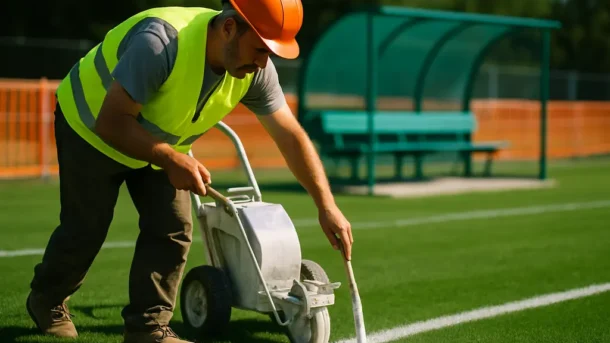
Minnie Lovie Renovations are in the final planned stretch as of October 5, 2026, with construction scheduled from early June 2026 through late October 2026, according to San Francisco Recreation and Park. For local youth soccer families, the project is not just a facilities update. It affects practice windows, league fixtures, coaching plans, transportation routines, and the way teams share limited field space during a busy part of the soccer calendar.
The work has been structured in two phases, with one half of the fields kept open while the other half is under construction. That approach has helped preserve some community access, but it has not removed the pressure on local leagues. Coaches still need to balance player development with shorter or less flexible practice times. Parents still need clear communication about field locations and schedule changes. Young players still need steady routines, even when their usual field space is reduced.
Minnie Lovie Renovations And Field Access
The phased plan is the key detail for soccer groups. The fields did not fully close all at once. Instead, work has moved in sections so one side remains available for play during each phase. This matters for youth teams that rely on predictable weekday sessions, weekend matches, and shared space with other age groups.
Minnie Lovie Renovations Timeline
The project began in early June 2026 and is scheduled to run through late October 2026. Phase 2 covers the August to October 2026 period, and the research notes indicate the western side was likely the section under construction during that span. Since October 5, 2026 falls within that Phase 2 window, families should treat field access as limited until the city posts completion or reservation updates.
For coaches, this means session plans may need to be shorter and more focused. A full-field tactical rehearsal may not always be realistic. Smaller-sided training, technical stations, goalkeeper work, and fitness with the ball can help teams use shared space well without crowding other groups. For younger players, this type of planning can still support touches, confidence, and decision-making.
Why Partial Access Still Requires Planning
Keeping one half open is helpful, but half-field access can still create pressure. A single usable section may need to serve youth teams, adult leagues, informal community play, and scheduled reservations. That can lead to tighter kickoff windows, less warmup space, and more need for teams to arrive organized.
Parents can support the process by checking team messages before travel, building in extra time for parking or drop-off, and confirming whether practice is at Minnie and Lovie Ward Athletic Fields or at an alternate site. Team managers can help by sending updates early, listing exact field locations, and reminding families that schedules may shift while construction remains active.
What Changes On The Field
The facility work centers on the playing surface and related amenities. The existing synthetic turf, which is more than 12 years old, is being removed and replaced. The new synthetic turf will use cork and sand infill instead of the former crumb rubber material, and old turf materials will be recycled or downcycled as part of the project, according to the city’s official renovation page.
Turf, Infill, And Player Experience
For young soccer players, surface quality shapes daily development. A worn field can affect ball roll, first touch, passing pace, and player confidence. A refreshed synthetic surface can give coaches a more reliable setting for technical work, small-sided games, and match preparation. The cork and sand infill change may also matter to families who follow field material choices closely.
The supported facts show that the project replaces older turf and changes the infill mix. Claims about exact injury reduction or performance gains are not provided in the research, so they should not be treated as guaranteed outcomes. What can be said is that newer, more consistent field conditions often help coaches run cleaner sessions and help players focus on the game rather than uneven footing or worn areas.
Amenities That Support Families
The renovation also includes damaged fencing and fence fabric replacement, minor ADA compliance improvements, new drinking fountains, improved benches, signage, and trash receptacles. These may sound like small details, but they shape the experience for families who spend many hours at fields across a season.
Benches help substitutes and coaches manage matches more comfortably. Drinking fountains matter during long training blocks and warm days. Signage can reduce confusion for visiting teams. Trash receptacles support cleaner sidelines, which is a shared responsibility for clubs, spectators, and park users. Minor ADA improvements also matter because youth sports should be easier to access for grandparents, siblings, players, and community members with mobility needs.
Scheduling Choices For Local Leagues
The most immediate challenge is scheduling. With constrained access during Phase 2 from August through October 2026, soccer groups should expect limited reservation options. The city has directed field users to confirm reservations through Rec and Park channels or reservation staff. That makes communication between league administrators, coaches, and families especially valuable.
Practice Adjustments For Youth Teams
Local teams can protect player development by setting priorities for each session before arriving. A team that has only a smaller training area can still work on first touch, pressing cues, passing patterns, finishing from short service, and transition moments. Coaches may also divide players into stations so no one spends too much time waiting in line.
For clubs with several age groups, sharing space fairly is just as important as the training plan itself. Younger players may need safe, simple activities with close supervision. Older teams may need match preparation before league fixtures. A shared weekly field plan can reduce confusion and help families understand why time slots may rotate during construction.
Alternate Fields And Travel Choices
Crocker Amazon Playground at 799 Moscow St has been identified in the research as an alternate venue with newly renovated soccer fields. The city also maintains an Athletic Field Directory for other multi-use options. These alternatives can reduce the burden, but they may also see higher demand while the Minnie and Lovie Ward work continues.
Families should expect some travel changes if practices move. Even a short relocation can affect school-night routines, carpool plans, and dinner schedules. Local businesses near alternate fields may see more team traffic, while businesses near Minnie and Lovie Ward may see fewer soccer families until full access returns. For a broader view of how facility planning affects California teams, our community can also learn from youth soccer grants and shared field funding discussions.
- Coaches: Prepare half-field session plans and communicate any location changes early.
- Parents: Confirm the field site before leaving home, especially during October 2026.
- League managers: Keep reservation records clear and avoid assuming normal access until the project is complete.
- Players: Bring water, arrive ready, and stay flexible if space is shared.
Community Support During Minnie Lovie Renovations
Minnie Lovie Renovations are part of San Francisco’s Park Playfield Repairs and Reconstruction Program. The project is funded through the San Francisco Recreation and Parks Department General Fund. The city operates synthetic turf fields in twelve parks, totaling more than 35 individual game fields, which shows why maintenance planning affects many teams beyond one site.
How Shared Patience Helps The Youth Soccer Pipeline
Youth soccer works best when families, coaches, referees, park staff, and league leaders treat field access as a shared community resource. During construction, that means being patient with schedule changes, respecting reservation times, keeping sidelines clean, and helping newer families understand where to go.
For players, the lesson can be bigger than the temporary inconvenience. They see adults cooperate, solve problems, and protect the spaces where the game is played. That supports local soccer culture in a practical way. Better fields help, but respectful field use and clear communication keep leagues healthy.
As late October 2026 approaches, the local soccer community should continue checking official reservation information before making firm plans. If the project finishes as scheduled, teams can return to a refreshed surface, updated amenities, and a field setup that better supports weekly training and match play. Until then, Minnie Lovie Renovations call for planning, patience, and steady teamwork from everyone connected to the local game.


