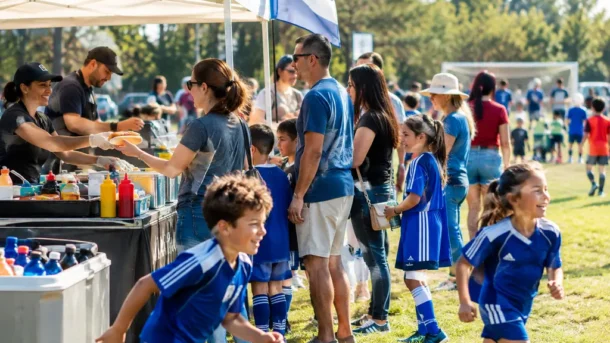
Fremont soccer tournaments connect much more than teams on a bracket. They shape weekend routines for parents, create extra demand for restaurants and hotels, and give young players a chance to learn through travel, pressure, and community support. The available research gives us a strong Bay Area picture, though Fremont-specific hotel revenue and sales tax figures remain limited. That means the fairest view is to look at what has been reported locally, compare it with nearby Bay Area and California examples, and focus on what families, coaches, and small businesses can use.
How Fremont Soccer Tournaments Reach Local Businesses
Soccer events bring people together at set times and places. That simple rhythm matters for business districts near fields, hotels, and family-friendly restaurants. A tournament weekend can mean early coffee orders, team lunches, post-match dinners, fuel stops, and last-minute runs for tape, water, or sunscreen. For owners, the value is not only one busy day. It is the repeat pattern of families returning to the same places because they feel welcomed and served quickly.
Fremont Soccer Tournaments And Matchday Spending
The clearest recent Bay Area evidence came from the 2026 FIFA World Cup, which had already concluded by October 30, 2026. The Bay Area hosted six World Cup matches, and restaurants and bars near venues reported double their normal sales on game days, according to KTVU reporting. Youth tournaments are smaller than World Cup events, but they follow a related pattern: groups arrive around kickoff windows, stay for multiple games, and spend between matches.
That matters for Fremont because tournament visitors are often families rather than single spectators. A household may need breakfast, snacks, lunch, and a place to rest between matches. If a club is traveling from another part of Northern California, lodging can become part of the cost. In the San Francisco area, hotel revenue per room rose about 55 percent during the World Cup period in June 2026, based on Palo Alto Ledger coverage. That figure should not be applied directly to youth soccer in Fremont, but it does show how soccer-driven travel can affect hospitality demand across the region.
Why Small Businesses Need Earlier Notice
For youth clubs, Fremont soccer tournaments work best when local businesses know the schedule before the first whistle. Restaurants can plan staff levels. Cafes can prepare for morning team traffic. Sporting goods stores can anticipate small but urgent needs. Hotels can communicate room blocks more clearly when tournament organizers share age groups, field locations, and expected travel patterns.
Good communication also helps families. Parents do not want to search for a meal between close kickoff windows or drive across town for basic supplies. A simple tournament resource page with nearby food, parking guidance, and field rules can make a long day feel more manageable. Local businesses benefit, but so do players who need calmer transitions between games.
What Families Carry Beyond The Scoreboard
For youth soccer families, tournament impact starts well before the opening match. Parents plan carpools, confirm uniforms, manage sibling schedules, and budget for team fees. Coaches think about playing time, rest, warmups, and player confidence. Players carry both excitement and nerves, especially when games are close together or when a tournament brings unfamiliar opponents.
Registration, Travel, And Schedule Pressure
The research notes identified the Silicon Valley Cup in Fremont for U9 through U19 teams on September 26-27, 2026, with team registration costs listed at $600 to $750 depending on age and level. Since those dates had passed by October 30, 2026, families and clubs can now look back at that type of event as a real example of the costs tied to competitive play. Team fees are only one part of the family picture. Travel, meals, parking, and time away from work can all affect whether a child can participate.
This is where club leadership and parent volunteers can make a real difference. Shared carpools, clear arrival times, and honest cost estimates help families decide early. When teams wait until the last minute, the stress often lands on parents who are already juggling school, work, and other children’s activities. A stronger plan keeps the focus closer to player development and team connection.
Player Development In A Tournament Setting
Tournaments give young players learning moments that regular league matches do not always provide. A player may have to recover from a tough morning result and play again in the afternoon. A goalkeeper may learn how to reset after a mistake. A defender may face a faster opponent than usual. A coach may need to adjust the rotation to protect tired legs while keeping the group engaged.
Those lessons are valuable, but only when adults keep the experience healthy. Long tournament days should not turn every match into pressure without purpose. Parents can support players by focusing on effort, decision-making, teamwork, and recovery. Coaches can help by explaining the goals of the weekend, not just the results. This approach keeps competition connected to growth.
Community Governance For Better Tournament Weekends

Tournament planning is also a community governance issue. Field access, traffic flow, referee coverage, safety plans, and communication all shape the quality of the event. A well-run weekend does not happen by accident. It reflects coordination between clubs, parks departments, schools, volunteers, vendors, and families.
Fields, Traffic, Volunteers, And Clear Communication
Field scheduling is one of the biggest pressure points. Youth tournaments often place many matches into a short window, which can create parking congestion and tight warmup areas. Clear field maps, posted rules, and designated volunteer roles help reduce confusion. Families should know where to check in, where players can warm up, and what areas need to stay open for emergency access.
Referee planning also deserves respect. Without enough officials, games can fall behind or become harder to manage. Clubs can support better experiences by communicating match lengths, field assignments, and referee needs early. Volunteers can help by directing teams, answering parent questions, and keeping sideline areas orderly. These small steps protect the tone of the event.
Partnerships With Restaurants And Hotels
Local partnerships can make tournaments easier for families while keeping dollars in the community. Restaurants might prepare team meal options. Hotels can offer clear booking information for traveling teams. Coffee shops and markets can plan for early traffic. These connections work best when they serve families first, not just event promotion.
For clubs thinking through the wider value of tournaments, our related resource on youth soccer tournament impact explains how events can support fields, hotels, restaurants, and community visibility. Fremont can benefit from that same mindset when organizers treat local planning as part of the tournament, not an afterthought.
What Fremont Soccer Tournaments Mean For Families
Fremont soccer tournaments sit at the center of youth development, family commitment, and local business activity. The research supports a clear takeaway: soccer events can bring measurable spending to Bay Area communities, but the family experience must stay at the heart of planning. A full parking lot or busy restaurant is only a success if players are safe, parents feel informed, and teams can focus on learning.
The next step for Fremont is better local tracking. Tournament organizers, city partners, and business groups would benefit from shared data on visiting teams, room nights, restaurant demand, field use, and family costs. That information would help leaders plan smarter schedules, reduce stress points, and show why youth soccer deserves steady community support.
As a community advocate, I see the strongest path in collaboration. Coaches can speak for player needs. Parents can share the real cost of participation. Businesses can prepare services that fit tournament days. Local leaders can support safe fields and clear logistics. When each group does its part, Fremont soccer tournaments become more than weekend competition. They become a practical way to strengthen youth soccer and the community around it.