
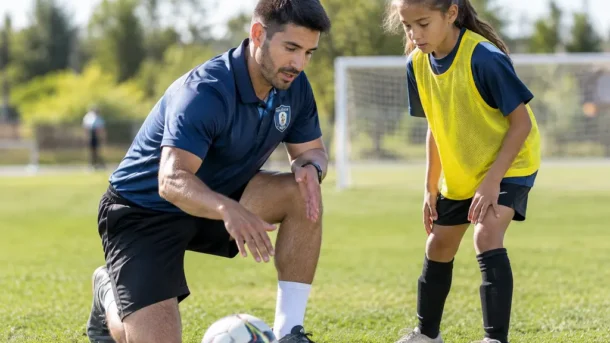
The Cal North Technical Staff update announced on August 20, 2026, gave Northern California families a clearer look at how the 2026–2027 ODP and YOP pathways would be led. Cal North unveiled new technical leadership for the Olympic Development Program and Young Olympians Program, with defined responsibilities tied to methodology, player identification, coach support, and event standards, according to the official Cal North announcement. For parents, coaches, and local clubs, the value is not just in the titles. It is in whether these roles help players receive more consistent feedback, age-right training, and a better sense of where they fit.
As a community advocate, I see this as a practical moment for youth soccer families. Many players move through recreational soccer, club training, identification events, and regional programs while parents try to understand the next step. A staff structure with named leaders can reduce confusion if communication stays clear at the field level. The announcement did not promise instant results, so families should read it as a framework: a way to organize coaching decisions and player review across a large region.
How Cal North Technical Staff Changed Roles
Cal North Technical Staff And ODP Direction
The 2026–2027 staff structure separated technical leadership into focused areas. Trisha Gonzales was named Girls Technical Director for the cycle, with responsibility for technical strategy, methodology, player identification, selection processes, and coach evaluation for the girls’ ODP pathway. Lee Dunne was named Boys Technical Director, with oversight of consistent methodology and development across age groups, player evaluation criteria, and technical guidance for the boys’ pathway.
That division matters because boys’ and girls’ pathways can face different scheduling, roster, and identification pressures. Clear technical leadership gives coaches a point of direction for how players are evaluated and how training goals are set. For families, it can also help separate a difficult selection result from a lack of clarity. A player may still face disappointment, but the process should be easier to explain if criteria are defined and shared through coaches.
Why Named Leadership Helps Coaches
Local coaches often carry the hardest communication load. They are the ones who answer family questions after training, explain where a player should improve, and prepare athletes for higher-level environments. When technical directors guide methodology and coach evaluation, the message can become more consistent from one session to the next.
This is where the Cal North Technical Staff update can support community clubs. It gives coaches a structure to reference instead of leaving each team to interpret development goals on its own. Families should still ask questions, but the starting point is stronger when coaches can connect feedback to a wider program plan.
What The 2026–2027 Appointments Cover
Goalkeeping Standards Get A Clear Lead
Casey Clark was appointed Director of Goalkeeping for the 2026–2027 cycle. The role includes creating goalkeeper-specific development standards, mentoring ODP goalkeeping coaches, and making sure goalkeeping is connected to the broader technical philosophy. That is especially meaningful for young goalkeepers, who can sometimes train apart from the team and then be judged only by match moments.
A goalkeeper development lead can help coaches look beyond saves. Distribution, decision-making, footwork, communication, and positioning all matter. If the standards are shared clearly, families may gain a better sense of why a goalkeeper is being asked to train certain skills, even when those skills are not always obvious from the sideline.
Young Olympians Program Receives Pathway Focus
Eric Nilius was named YOP Director for the same 2026–2027 cycle. His role centers on foundational-stage player development and creating consistency between YOP and the rest of the ODP pathway. That connection is important because younger players need encouragement and structure without being rushed into adult-style expectations.
For parents, the key question should be age fit. A young player’s growth should include technical comfort, joy in training, basic decision-making, and confidence with the ball. If YOP connects well with the later ODP pathway, families may have a better map of what comes next without treating early participation as a guarantee of future selection.
Connecting ODP, YOP, And Recreation
Four Areas Of Staff Support
Cal North described the technical staff group as supporting four main areas: technical leadership, coaching leadership, player identification and selection, and event technical oversight. Those categories cover annual planning, philosophy, curriculum, coach mentoring, meetings before and after a cycle, criteria for evaluation, and match or training objectives.
- Technical leadership: Planning, philosophy, and curriculum can help programs speak the same soccer language.
- Coaching leadership: Mentoring and meetings can support coaches before, during, and after key events.
- Player identification and selection: Clear criteria can help families understand how players are being reviewed.
- Event technical oversight: Shared objectives can keep training and matches connected to development goals.
Those areas are not only for elite settings. Local leagues benefit when coaches understand what higher-level programs are asking players to show. That does not mean every recreational player should chase the same pathway. It means clubs can build better training habits, and families can make choices with more context.
Recreational Soccer Still Sets The Base
In April 2024, Cal North published updated Player Development Initiatives for recreational membership, with an emphasis on aligning recreational soccer across the state with Cal North objectives and including birth year registration, according to the Cal North recreational PDIs. This matters because many ODP and YOP players begin in community programs before entering more selective environments.
Recreation is where many children first learn to love the sport. It is also where families decide whether soccer feels welcoming, affordable, and organized. If recreational standards and technical pathway standards move in the same direction, young players may experience fewer mixed messages as they grow. For a related local perspective, families can read more about Cal North player development and how age-right training supports long-term growth.
Why Cal North Technical Staff Matters Locally
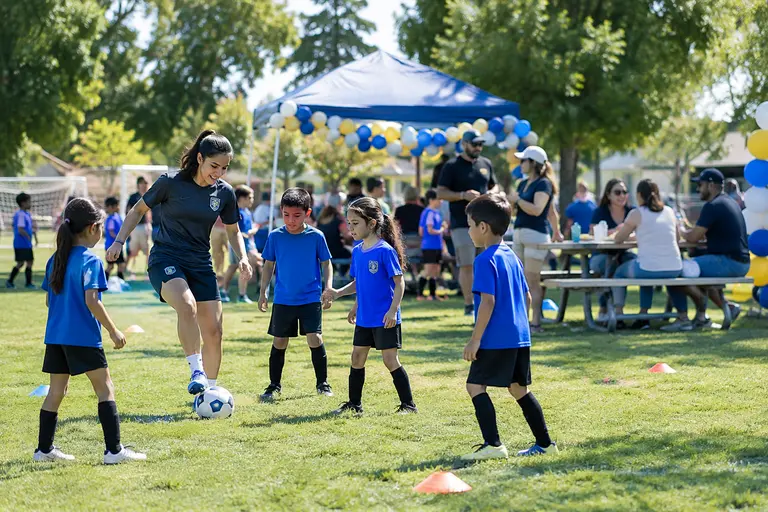
Families Need Clearer Planning Points
The Cal North Technical Staff structure can help families plan questions before evaluations, training events, and seasonal decisions. Parents should ask what skills are being assessed, how feedback will be shared, and how players can keep improving after a selection process ends. These questions are fair, and they help keep youth soccer centered on development rather than pressure.
Travel is another family concern. ODP, YOP, and other development opportunities can affect weekends, transportation, school routines, and household budgets. The August 20, 2026 announcement did not list every event detail, so families should avoid making assumptions until dates and locations are confirmed through official program communication. A defined staff structure is helpful, but families still need timely schedules and direct updates from the program.
Clubs And Local Businesses Share The Impact
Youth soccer decisions reach beyond the touchline. Clubs coordinate fields, coaches plan sessions, parents manage carpools, and local businesses often support teams through meals, gear, or community sponsorships. When a state-level program clarifies technical roles, local partners can better understand how their support connects to player growth.
For example, a restaurant that hosts a team night may not need to know every detail of ODP selection. But it can understand that local soccer is building pathways for children across different ages and ability levels. That community connection matters. Strong programs are not built only by technical leaders; they are supported by families, volunteers, referees, field schedulers, and neighbors who keep the game accessible.
What Cal North Technical Staff Means For Families
Practical Questions For The 2026–2027 Cycle
The Cal North Technical Staff appointments give families a useful structure, but the real measure will be how clearly players experience the pathway. Parents can support their children by asking calm, specific questions: What should my player improve first? How does this training connect to match performance? What does good decision-making look like at this age? How will goalkeeper feedback differ from field-player feedback?
Coaches can support the same effort by using shared language and avoiding vague feedback. A player who hears “work harder” may leave discouraged. A player who hears “scan before receiving and open your body toward the next pass” receives a training target. That kind of clarity is where technical leadership can make a meaningful difference.
For Northern California soccer communities, the Cal North Technical Staff update is best viewed as a step toward clearer pathways, not a finished answer. Families should follow official Cal North communication, stay connected with club coaches, and keep the player’s well-being at the center. When adults work together, young athletes have a better chance to grow with confidence, purpose, and joy in the game.


