
LA Soccer Fields are more than places to train. For many families, they decide whether a child can join a team, stay active after school, and feel connected to the local soccer community. The data on field access in Greater Los Angeles shows a hard truth: more fields have been built, but many children still live in neighborhoods where practice space is too limited, too crowded, or too far from home.
As a community advocate, I see field access as a youth development issue first. Coaches can design better sessions when players have reliable space. Parents can plan school nights with less stress when practices are close by. Local leagues can keep costs steadier when field permits and travel demands do not fall hardest on families with the fewest options. The challenge is not only how many fields exist, but whether children across Los Angeles can actually use them.
Why LA Soccer Fields Are Not Reaching Every Child
LA Soccer Fields And The Elementary-Age Gap
Greater Los Angeles has added more than 1,000 soccer fields since 2014, yet access is still uneven. In predominantly white areas, elementary-aged children share fields at a rate of 1,345 children per field, while in non-white areas the figure rises to 2,120 children per field, according to NBC Los Angeles reporting. That means the region can show progress on total field count while still leaving many families with fewer realistic chances to practice and play.
The local examples make the issue clearer. In one Boyle Heights ZIP code, a predominantly non-white neighborhood, 7,344 children share a single soccer field. In Culver City, more than 1,800 children share just three fields, based on the same reporting. These numbers matter because youth soccer is built on repetition: touches on the ball, small-sided games, goalkeeper work, and time for coaches to teach team shape. When too many children depend on too few fields, the quality of training can shrink even when interest in the sport is strong.
What The Field Count Misses
The count of LA Soccer Fields is only one part of the story. A family does not experience access as a spreadsheet. They experience it through a weeknight drive, a late practice slot, a younger sibling waiting in the car, or a coach trying to fit a full session into a short window. If a field is far from transit, hard to reserve, or unavailable at family-friendly hours, it may not serve the children who need it most.
This is where league leaders, public agencies, schools, and families need shared priorities. A new field in the wrong place helps less than a usable field near the children with the greatest shortage. A field that is technically available but consistently overscheduled can still push young players out of organized soccer. Fair access should be measured by how easily children can join, attend, and remain in the game over time.
Park Acreage And Practice Space
How Park Acreage Shapes Schedules
Los Angeles has about 4.3 park acres per 1,000 residents, well below the peer-city benchmark of about 9.9 acres per 1,000 residents, according to the city’s 2025 Park Needs Assessment appendix. For youth soccer, that park acreage gap can show up as crowded calendars, limited weekend space, and more competition among sports programs that all need safe, shared facilities.
For coaches, scarce space affects development choices. A team with steady access can split players into technical stations, rotate groups, and keep younger athletes moving. A team with limited space may spend more time waiting, sharing tight areas, or cutting parts of practice. That does not reflect a lack of commitment from coaches or families. It reflects a facility system that has not kept pace with the needs of children in every neighborhood.
Why Maintenance And Usability Matter To Coaches
Field access also depends on usability. A soccer field should support safe movement, clear coaching, and age-appropriate training. If coaches cannot count on dependable conditions, they may need to shorten activities, avoid certain drills, or move sessions with little notice. Those disruptions can hit younger players especially hard because consistency helps them build confidence.
Local leagues can help public partners by describing access needs in practical terms. Instead of only asking for “more fields,” teams can explain the number of practice groups, age levels, weekday time needs, and safety concerns that affect participation. Useful requests can include:
- More equitable scheduling: Prioritize youth programs in neighborhoods with the highest child-to-field ratios.
- Shared field calendars: Make permit use easier to understand for families, schools, clubs, and recreational leagues.
- Basic usability standards: Track whether fields are suitable for youth training, not only whether they exist.
- Family-centered planning: Consider travel time, school schedules, and caregiver work hours when assigning practice windows.
These steps will not solve every facility shortage, but they give communities a clearer way to discuss what young athletes actually need. For related local access ideas, our coverage of more youth soccer fields for LA connects field supply with fairer practice opportunities.
Community Planning For LA Soccer Fields
Shared Decisions Can Reduce Barriers
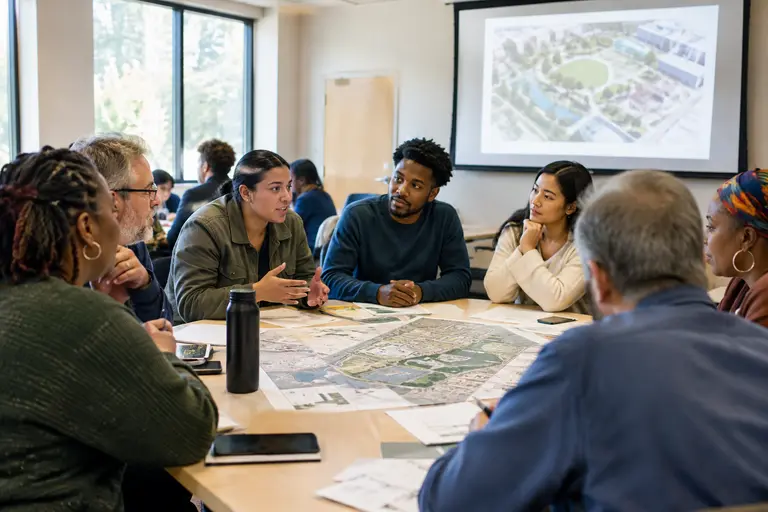
Community planning for LA Soccer Fields should include the people who feel the shortage most directly: parents, coaches, players, school leaders, and nearby residents. Families can explain whether a field is reachable after school. Coaches can explain how many players can safely train in a given space. Local residents can help identify concerns around parking, lighting, and neighborhood use. When those voices are heard together, field planning becomes less abstract and more connected to daily youth soccer life.
Fair access also means respecting different levels of play. Recreational programs, school teams, and competitive clubs all serve children, but their schedules and space needs are not identical. A balanced system should leave room for new players as well as committed athletes who train several times each week. If early access is too limited, children from crowded neighborhoods may never reach the point where advanced training is realistic.
How Local Businesses And Families Can Help
Local businesses can support access without replacing public responsibility. A small business might sponsor training equipment, help fund field lining, or support a community day that brings families and coaches together. Parents can help by sharing transportation needs, volunteering with leagues, and speaking clearly about the cost of long travel. These actions give decision-makers more complete information.
Still, the biggest decisions around facility placement, park acreage, and public use require public planning. Community support is strongest when it is tied to clear asks: fields near children, safe conditions, fair scheduling, and regular reporting on whether improvements are reaching underserved areas. Los Angeles soccer families do not need promises that sound impressive on paper. They need places where children can train after school, return on weekends, and feel that the city has made room for them.
What LA Soccer Fields Mean For Local Youth Soccer
Keeping Development Close To Home
The future of LA Soccer Fields should be judged by how well they serve children close to home. If a young player in Boyle Heights, South Los Angeles, Culver City, or any other part of the region needs a long trip for a basic practice slot, the system is asking too much of families before the player even reaches the ball. That burden can affect attendance, team continuity, and a child’s sense of belonging.
Better field access supports more than match results. It helps coaches plan age-appropriate sessions. It gives parents more predictable schedules. It allows local leagues to welcome new families instead of turning them away because space is full. It also strengthens neighborhood identity, because youth teams often become gathering points for schools, parks, and local businesses.
Los Angeles has already shown that adding fields is possible. The next test is whether new and existing space can be shared more fairly. For families and coaches, the goal is simple: children should not lose their chance to play because of their ZIP code. With honest data, community input, and a focus on practical field use, LA Soccer Fields can better support the young athletes who are ready to learn, compete, and grow.