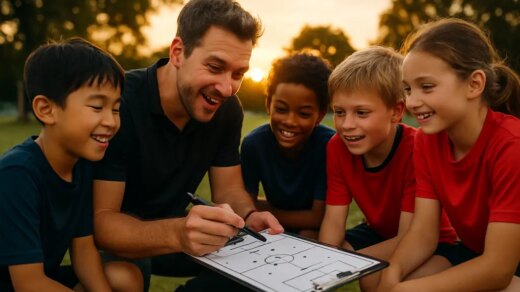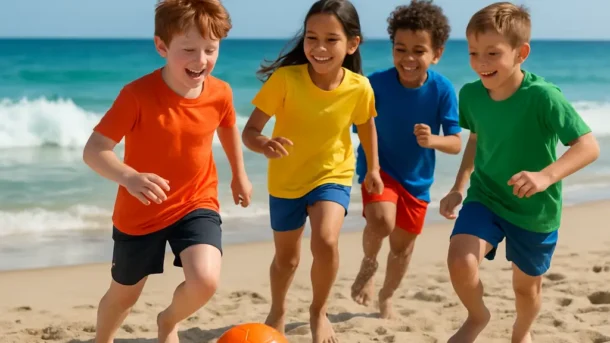
On September 4, 2026, the City of Seaside completed a distribution of 200 FIFA “Football for Schools” Size 4 training soccer balls to local schools, clubs, and youth organizations, according to the City of Seaside announcement. For families, coaches, and school leaders, Seaside Soccer Balls represented more than new equipment. They gave local players ages 8-12 a practical tool for recess play, after-school training, club sessions, and community-based soccer activity.
That age range matters. Players between 8 and 12 are learning first touch, ball confidence, passing habits, spacing, and how to enjoy the sport with teammates. A Size 4 ball fits that development window better than a full-size ball, helping young players repeat skills with a tool built for their stage of growth. As a youth soccer coach, I see value in any effort that puts more balls at more feet, especially when the distribution reaches schools, clubs, and community groups at the same time.
How Seaside Soccer Balls Reached Local Players
The Seaside distribution was tied to a wider FIFA and United States Conference of Mayors effort. FIFA announced in February 2026 that 100,000 balls would be distributed across 500 U.S. cities, with each participating city receiving 200 balls for community celebrations and youth activation connected to the FIFA World Cup 2026 cycle, according to FIFA’s announcement. Seaside’s 200-ball allotment fit that city-by-city model.
Seaside Soccer Balls And The 8-12 Age Group
The Seaside Soccer Balls choice was specific: FIFA “Football for Schools” Size 4 training balls, intended for youth ages 8-12 and modeled after the Al Rihla match ball used in the 2022 FIFA World Cup. That detail helps coaches because younger players need frequent touches, manageable equipment, and simple chances to play without waiting for a formal team session.
For a school or youth organization, 200 balls can be spread across many settings. A physical education teacher may use them in class. A club coach may add them to small-group training. A community youth group may use them for open play after school. The city notice did not provide participation totals before or after the distribution, so the long-term effect should be measured through follow-up: how often the balls are used, whether more children join sessions, and whether families feel the sport is easier to access.
Recipient Groups Across The Soccer Community
The City of Seaside listed a wide set of recipients, showing that the distribution was not limited to one team or one school. Recipients included:
- Monterey Peninsula Unified School District
- Monterey Condors Club
- Lagunitas FC
- Salinas Soccer Academy
- Monterey Surf Soccer Club
- Seaside Barcelona
- Monterey FC
- Seaside FC
- Boys & Girls Clubs of Monterey County, Seaside Clubhouse
- Community Partnership for Youth
- The Village Project, Inc.
That spread matters for local development. A child may first touch a ball at school, then join a neighborhood session, then try a club practice. Each setting supports a different level of comfort. When equipment reaches several groups, it reduces the chance that soccer is available only to families who already have club connections.
What The Distribution Means For Development
For a coach, Seaside Soccer Balls are useful only if they become part of consistent activity. A ball sitting in storage does little. A ball used in warmups, station work, small-sided games, and free play can help a young player build confidence. At ages 8-12, confidence often grows through repetition: dribbling in tight spaces, passing with both feet, receiving under light pressure, and learning how to make decisions with friends around them.
More Touches, Less Waiting
One simple coaching lesson applies here: more balls usually mean more touches. If a group has too few balls, players stand in lines and wait for turns. If coaches have enough equipment, they can set up smaller groups, keep players moving, and create exercises that feel closer to real soccer. That is especially useful for new players who may be shy or unsure. More touches allow them to make mistakes privately, try again quickly, and stay involved.
At the community level, ball access also supports informal play. A child who only experiences soccer through formal games may think the sport belongs only to registered teams. A child who sees soccer in a schoolyard, youth center, or local park can begin to treat it as part of daily life. That is how many long-term players first connect with the game.
Why Size And Setting Matter
Size 4 balls are a good fit for the listed age group because they support ball control without asking younger players to manage equipment made for older athletes. The setting matters just as much. In school and community programs, children meet the game without the pressure of selection or travel. In club environments, the same balls can support more structured training. Together, those settings create a wider player base.
Local families often balance school schedules, transportation, sibling activities, and costs. Any program that places equipment inside existing community spaces can reduce barriers. For related community access ideas across California youth soccer, local leaders can study how community soccer initiatives connect clubs, schools, families, and civic partners.
Community Partners And Local Access
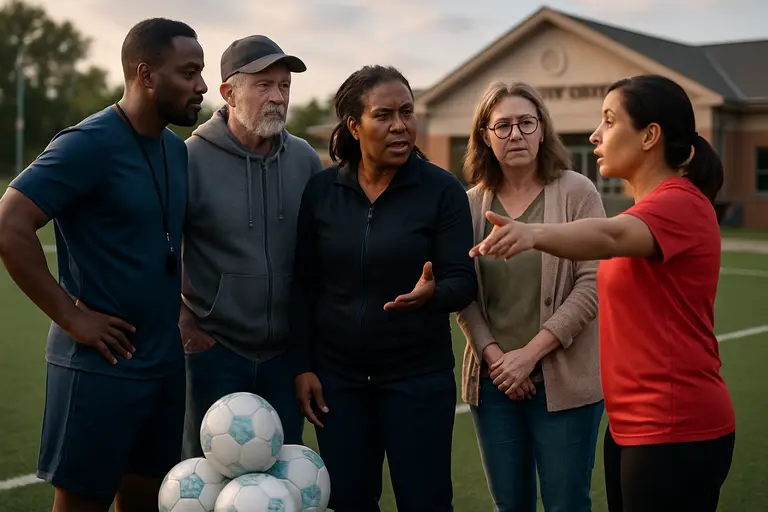
The most promising part of the Seaside distribution was the mix of recipients. Schools, clubs, and youth organizations each serve different families. Some children are already in organized soccer. Others may be meeting the sport for the first time through a Boys & Girls Club, a community partner, or a school activity. When those groups receive the same type of training ball, it creates a shared starting point.
Support Beyond The Equipment Drop
Equipment distribution is a starting action, not the full player development plan. Coaches and program leaders can build on the September 4, 2026 distribution by planning age-appropriate sessions, keeping balls available for regular use, and inviting families to low-pressure play days. A supportive first experience can help a child return the next week.
Local businesses also have a place in this kind of effort. They can support field days, snacks, water, volunteer shirts, or small travel needs for neighborhood programs. That support does not need to be large to be useful. For many families, the difference between joining and sitting out can be a ride, a safe practice space, or a welcoming adult who explains the next step.
How Coaches Can Measure Impact
Because the available research did not include before-and-after participation numbers for Seaside, local coaches and administrators should track practical signs of impact. Useful measures include how many sessions use the balls each month, how many first-time players attend, whether girls and boys have equal access, and whether children continue from school or community play into regular soccer programs.
Those measures keep the focus on children rather than on the donation itself. The goal is not only to count balls. The goal is to create more chances for movement, belonging, teamwork, and skill growth. If the equipment helps more children feel welcome in soccer, the distribution can support both recreation and long-term player development.
Why Seaside Soccer Balls Matter For Youth Soccer
The story of Seaside Soccer Balls is a local reminder that youth soccer grows through shared effort. FIFA and the United States Conference of Mayors provided the national framework. The City of Seaside completed the local distribution. Schools, clubs, and youth groups now carry the daily responsibility of turning equipment into positive experiences for children.
For parents, the key question is simple: does this help my child play more often in a safe, welcoming setting? For coaches, the question is whether the balls support better sessions with fewer lines and more touches. For community leaders, the question is whether the distribution reaches children who might not otherwise have steady access to soccer equipment.
On September 4, 2026, Seaside received a practical tool for youth participation. The next value comes from use: PE classes, club practices, community sessions, and casual play that invite children ages 8-12 to enjoy the game. If local partners keep the focus on access, repetition, and encouragement, this distribution can help more young athletes see soccer as a sport that belongs to them.