

Salinas Soccer Expansion is moving from long planning work into visible construction, and that matters for young players who need safe, reliable places to train and compete. On August 20, 2026, construction officially began on eight new soccer fields at the Salinas Regional Soccer Complex, also known as The Match, after environmental remediation that lasted more than six years and concluded in June 2026, according to the official complex announcement. For families, coaches, and local league volunteers, the project is not just about adding grass and turf. It is about making weekly soccer participation easier to support.
The timing is meaningful because demand has already increased. Weekly attendance grew from about 11,500 users in 2025 to more than 15,000 users by late 2026, and the complex is expected to serve more than 22,000 users per week once Phase 3 is complete. That kind of growth affects parking, practice slots, tournament scheduling, coach availability, and family travel routines across the Salinas Valley.
Salinas Soccer Expansion And Field Access
Why Salinas Soccer Expansion Started With Fields
The first need is simple: youth soccer needs field time. Without enough usable fields, clubs often compress practices, shorten warmups, or ask families to travel farther for matchdays. The eight new fields in The Match campaign are aimed at easing that pressure. The campaign seeks to raise $3 million for the new fields and supporting infrastructure, with Taylor Farms providing a $1.5 million lead gift.
For youth development, more fields can help programs separate age groups, create safer training spaces, and schedule sessions that fit school-night family life. Younger players need room for smaller-sided games, while older teams need full-field training to prepare for tournament play. When a regional complex adds capacity, it can give coaches more ways to build player confidence through repetition, balanced competition, and steady attendance.
How The Site Work Helps Long-Term Use
The environmental work behind the project deserves attention because it shaped the timeline. Remediation took more than six years before concluding in June 2026. Construction work followed in July, and the formal construction announcement came on August 20, 2026. That sequence shows why community sports infrastructure can take patience, public coordination, and steady support from donors and civic leaders.
The facility already spans 68 acres. When fully developed, stated goals include 20 natural grass soccer fields, sand courts for beach soccer and volleyball, a two-story wellness center and fieldhouse with a full-size indoor soccer field, more than 700 parking spaces, and about 3,000 stadium seats plus mobile seating. Those goals point to a venue designed for daily youth use as well as larger regional events.
Funding Partnerships And Public Support
Private Donors And Local Business Support
Community sports projects rarely move forward with one funding source. Phase 3 is part of a broader $45 million capital campaign, and the work includes seven tournament-size natural grass fields and eight sand courts, according to KSBW reporting on the Phase 3 deal. Costa Family Restaurants also committed $250,000 over five years to support Phase 3.
For local businesses, this kind of support connects directly to families. Soccer weekends bring parents, siblings, coaches, referees, and visiting clubs into the same area. Restaurants, shops, hotels, and service providers can all feel the effect when a venue hosts steady league play and tournaments. Just as important, business giving can help keep youth access at the center of the project rather than treating fields only as event space.
Public Funding And Community Governance
The research record also identified public support tied to the expansion. In February 2026, Representative Zoe Lofgren delivered a $500,000 federal grant connected to expansion plans that included eight new turf soccer fields, a 2,000-seat outdoor stadium with two synthetic fields, a 35,000-square-foot indoor arena with concessions and classrooms, 421 new parking spaces, stormwater control, and environmental safeguards such as wetlands restoration and setbacks from Gabilan Creek.
State funding of $2.7 million was also secured through legislative support from Senator John Laird and Assembly Speaker Robert Rivas to help build turf fields, seating, locker rooms, and other amenities. For families, these details matter because youth soccer facilities are public-facing community assets. Good planning should address player safety, traffic flow, water and environmental needs, and fair access for local teams.
Readers who want related local context can review how complex growth supports youth access across Salinas and nearby communities.
Planning For Players, Coaches, And Families
What More Capacity Means For Weekly Soccer
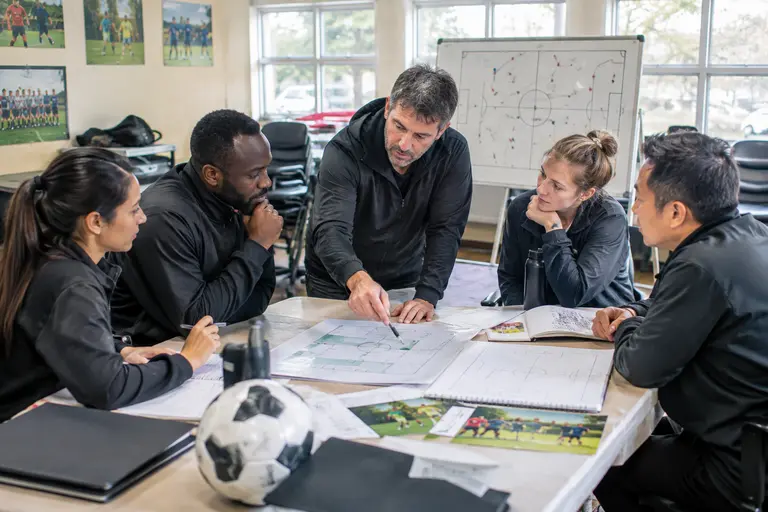
For a coach, extra field space can change the tone of a season. More reliable slots can reduce rushed sessions and create better age-level planning. A coach working with younger players may spend more time on ball comfort, movement, and small-group play. A coach with older players may use full-width training, set pieces, and match preparation without displacing another team.
For parents, capacity affects daily decisions. Practice times influence dinner, homework, sibling care, transportation, and work schedules. If more training and competition can happen at one regional site, some families may have clearer routines. That does not remove every cost or travel challenge, but it can make participation more manageable for households already balancing school and sports.
How Tournaments Can Shape Local Identity
Salinas has a strong soccer culture, and a larger regional facility can give young athletes a clearer sense that their sport belongs in the center of community life. Tournament-size natural grass fields are especially valuable because they can support visiting teams and multi-field scheduling. Sand courts may widen programming options through beach soccer and volleyball, which can bring different groups of athletes to the same site.
The new grass surfaces for seven of the eight new fields are being grown at Greenfield Turf with a hybrid blend of ryegrass and bluegrass. The installation is planned in phases, with one field planned to open in winter 2026–2027. By spring 2027, Phase 3 fields and supporting amenities are expected to be completed. As with any construction schedule, weather, site conditions, and project coordination can affect exact timing.
- For players: more field space may mean steadier training, better tournament settings, and age-appropriate play areas.
- For coaches: added fields can support clearer practice plans and less pressure on shared space.
- For families: improved parking, field access, and scheduling can reduce stress around matchday routines.
- For local businesses: larger events can bring more visitors to nearby restaurants, stores, and services.
Why Salinas Soccer Expansion Matters For Families
Keeping Youth Development At The Center
Salinas Soccer Expansion should be measured by how well it serves young athletes over time. More fields are useful only if they help kids play more often, learn from trained coaches, and stay connected to teammates. The best community outcome would be a complex where competitive players, recreational players, new families, and longtime soccer volunteers all see a place for themselves.
That requires coordination beyond construction. Field allocation, maintenance, registration communication, referee support, and family outreach will all shape the experience. As attendance grows toward the projected level of more than 22,000 users per week after Phase 3, local leaders and soccer organizers will need clear systems that protect access and keep youth programming stable.
Shared Responsibility For A Regional Soccer Home
The project also shows what shared responsibility can look like. Donors, public agencies, construction teams, local businesses, coaches, and parents are all connected to the outcome. A facility of this size can support regional tournaments and daily league play, but its strongest value is in the ordinary weeknight session where a child gets more touches on the ball and feels part of a team.
If the work stays centered on youth access, Salinas Soccer Expansion can help build a stronger soccer pathway for the Salinas Valley. The fields, courts, parking, seating, and indoor plans all matter, but the heart of the project is simple: more young people getting a fair chance to play, improve, and belong in their local soccer community.


